


 French
 Spanish
 Russian
: Tours and Excursion
Lake Nakuru National Park
Lake Nakuru National Park is a protected area in Kenya, renowned for its stunning landscapes and diverse wildlife. The park is centered around Lake Nakuru, a shallow alkaline lake that attracts thousands of flamingos, creating a spectacular pink hue along its shores. The park is also home to rhinos, lions, leopards, and numerous bird species, making it a prime destination for nature enthusiasts.
History & Origins
Established in 1961, Lake Nakuru National Park was initially created to protect the lake's bird populations, particularly the flamingos. Over time, the park expanded to include surrounding savannahs and woodlands, becoming a sanctuary for endangered species like the white and black rhinos. The park's conservation efforts have made it a model for wildlife protection in Kenya.
Architecture & Features
The park's landscape is dominated by the lake, surrounded by grasslands and acacia woodlands. The park features several viewpoints, such as Baboon Cliff, which offers panoramic views of the lake and its flamingo populations. The park also has well-maintained trails and picnic sites for visitors.
Legends & Facts
Lake Nakuru is often referred to as the 'Pink Lake' due to the massive flocks of flamingos that feed on its algae. The park was the first rhino sanctuary in Kenya, playing a crucial role in the conservation of these majestic animals. The lake's alkaline waters support a unique ecosystem, including specialized fish species.
Tourist Tips
Visit early in the morning or late in the afternoon for the best wildlife viewing opportunities. The park's roads are well-maintained, making it accessible for self-drive safaris. Don't forget to bring binoculars for birdwatching.
Nearby
- Menengai Crater: A massive volcanic crater with hiking trails and stunning views.
- Hyrax Hill Prehistoric Site: An archaeological site with ancient artifacts and fossils.
- Nakuru Town: A bustling urban center with markets and cultural attractions.
- Lord Egerton Castle: A historic castle with beautiful gardens and architecture.
- Kariandusi Museum: A museum showcasing prehistoric tools and fossils.
Practical FAQ for Travelers
What are the park's opening hours?
The park is open daily from 6:00 AM to 6:00 PM.
What is the best time to visit?
The dry season (June to September and January to February) is ideal for wildlife viewing.
How much time should I allocate for a visit?
A full day is recommended to explore the park thoroughly.
Are there any dress code requirements?
Wear neutral-colored clothing and comfortable walking shoes.
Is the park accessible for children?
Yes, the park is family-friendly, but children must be supervised at all times.
Lake Nakuru National Park: Private tours and Excursions.
-
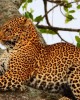
Safari in Nairobi - 13 Days Samburu Ol pejeta Lake Naivasha Masai Mara Amboseli Tsavo East Adventure Safaris
Day 1: Nairobi-Samburu National ReserveYou will arrive at the airport where you will be picked up by the company’s representative. You will be g -

Safari in Nairobi - 15-Day Masai Mara Migration of wildebeest Uganda Mountain Gorilla Trek Serengeti Safari
Day 1: NairobiToday you will be picked up at the airport and taken to our office for a pre-departure meeting. Later you will be dropped off at your ho -
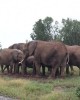
Safari in Nairobi - 4-Day Masai Mara and Great Rift Valley Lake Safari
Day 1: Nairobi -Masai Mara National ReserveYou will be pick up from the hotel by the driver guide at 0800am and thereafter drive to Masai mara via via
Quick tours search
Tour Categories
- Any tour category
- Adventure tour
- Arts and Crafts tour
- Boating and Sailing tour
- Children's tour
- Culture and History tour
- Diving tour
- Eco and Wildlife tour
- Excursion
- Expedition
- Fishing tour
- Gourmet & Cooking tour
- Hiking tour
- Hunting tour
- Jeep tour
- Private tour
- Railway trip
- Safari
- Shopping tour
- Sightseeing Nature tour
- Trekking tour
- Walking tour
- Wine tasting tour
Private Guide in Ethiopia

Yonas
Private Guide in Addis Ababa
I taught for seven years in different parts of the country. Then I decided to go to school to study tourism. There, I got what my real soul is and for what purpose am created for! Read more
Tour in India
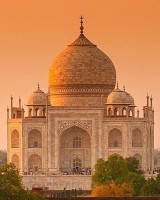
Private tour in Jaipur
Morning visit the world famous beautiful Taj Mahal built by the Moghul Emperor Shahjehan in 1630 for his beloved Queen Mumtaz Mahal to enshrine her mortal remains. Taj Mahal was built in 20 years and over 20,000 worker had worked in constructing it. Read more