


 French
 Spanish
 Russian
: Tours and Excursion
Mahamuni Buddha Temple
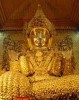
The Mahamuni Buddha Temple is one of the most important Buddhist pilgrimage sites in Myanmar. It houses the Mahamuni Buddha image, which is believed to be over 2000 years old and is highly venerated by locals and visitors alike. The temple complex is a stunning example of Burmese architecture, featuring intricate carvings and gilded decorations.
History & Origins
The Mahamuni Buddha image was brought to Mandalay from Rakhine State in 1784 by King Bodawpaya. According to legend, the Buddha image was cast during the lifetime of Gautama Buddha himself, making it one of the most sacred relics in Buddhism. The temple was built to house this revered statue, and it has since become a focal point for Buddhist worship in Myanmar.
Architecture & Features
The temple is renowned for its elaborate design, with a central shrine that houses the Mahamuni Buddha image. The exterior is adorned with intricate carvings and gold leaf, while the interior features a series of prayer halls and meditation spaces. The Buddha image itself is covered in layers of gold leaf applied by devotees over the centuries, giving it a unique and awe-inspiring appearance.
Legends & Facts
One of the most fascinating aspects of the Mahamuni Buddha Temple is the daily ritual of washing the Buddha image. Every morning, monks perform a ceremonial washing of the statue, which is believed to bring good luck and blessings to those who witness it. Another interesting fact is that the temple complex includes a museum that showcases ancient Buddhist artifacts and manuscripts.
Tourist Tips
Visitors should plan to arrive early in the morning to witness the ceremonial washing of the Buddha image. It is also recommended to dress modestly and remove shoes before entering the temple. Photography is allowed, but flash photography is prohibited inside the shrine.
Nearby
- Kuthodaw Pagoda: Known as the 'World's Largest Book', this pagoda features 729 marble slabs inscribed with Buddhist scriptures.
- Mandalay Palace: The last royal palace of the Burmese monarchy, offering a glimpse into the country's royal history.
- Shwenandaw Monastery: A beautiful teakwood monastery known for its intricate carvings.
- Mandalay Hill: A popular pilgrimage site offering panoramic views of the city.
- Sandamuni Pagoda: Home to the largest iron Buddha image in Myanmar.
Practical FAQ for Travelers
What are the opening hours?
The temple is open daily from 6:00 AM to 8:00 PM.
Is there an entrance fee?
Yes, there is a small entrance fee of 5000 Kyat (approximately 3 USD).
What is the best time to visit?
Early morning is the best time to visit to witness the ceremonial washing of the Buddha image.
Is photography allowed?
Yes, photography is allowed, but flash photography is prohibited inside the shrine.
Is the temple accessible for children?
Yes, the temple is family-friendly, but children should be supervised at all times.
Is there a dress code?
Visitors should dress modestly and remove shoes before entering the temple.
Mahamuni Buddha Temple: Private tours and Excursions.
-
Culture and History tour in Mandalay - Mandalay cultural tour
Mandalay is famous for cultural and historic value and also in the centre of Myanmar. If you are Myanmar, it is a must to go to Mandalay to learn cult
Quick tours search
Tour Categories
- Any tour category
- Adventure tour
- Arts and Crafts tour
- Boating and Sailing tour
- Children's tour
- Culture and History tour
- Diving tour
- Eco and Wildlife tour
- Excursion
- Expedition
- Fishing tour
- Gourmet & Cooking tour
- Hiking tour
- Hunting tour
- Jeep tour
- Private tour
- Railway trip
- Safari
- Shopping tour
- Sightseeing Nature tour
- Trekking tour
- Walking tour
- Wine tasting tour
Private Guide in Belgium
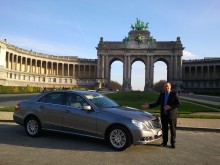
Mike
Private Guide in Brussels
40 years of tourism and hotel business experience. Private guide Mike is devoted to providing his guests with a memorable experience that exceeds all their expectations. Read more
Tour in Argentina
Culture and History tour in Buenos Aires
This is an extended version of the Buenos Aires' Highlights Tour! Read more