


 French
 Spanish
 Russian
: Tours and Excursion
History & Origins
Established in 1961, the Masai Mara National Reserve was named in honor of the Maasai people, the ancestral inhabitants of the area. The reserve was created to protect the region's wildlife and to provide a sustainable environment for both animals and local communities.
Architecture & Features
The Masai Mara is characterized by its diverse landscapes, including grasslands, savannahs, and riverine forests. The Mara River, which runs through the reserve, is a vital water source for the wildlife and a key location for observing the Great Migration.
Legends & Facts
The Masai Mara is home to the 'Big Five'—lion, leopard, elephant, buffalo, and rhinoceros. It is also the site of numerous wildlife documentaries and films, including BBC's 'Big Cat Diary'.
Tourist Tips
Visitors are advised to bring binoculars and a good camera to capture the stunning wildlife. Early morning and late afternoon are the best times for game drives.
Nearby
- Serengeti National Park: A vast national park in Tanzania, known for its annual migration of over 1.5 million white-bearded wildebeest.
- Lake Victoria: The largest lake in Africa and the second-largest freshwater lake in the world.
- Nairobi National Park: A unique wildlife park located just outside Kenya's capital city.
- Amboseli National Park: Known for its large herds of elephants and views of Mount Kilimanjaro.
- Tsavo National Park: One of the largest national parks in Kenya, divided into Tsavo East and Tsavo West.
Practical FAQ for Travelers
What is the best time to visit Masai Mara?
The best time to visit is during the dry season from July to October, when the Great Migration occurs.
How much does it cost to enter the reserve?
Entry fees vary depending on nationality, with non-resident adults paying around 80 USD per day.
Are there accommodations inside the reserve?
Yes, there are numerous lodges and campsites within the reserve, ranging from luxury to budget options.
Is it safe to visit Masai Mara?
Yes, it is generally safe, but visitors should always follow the guidelines provided by their guides and the reserve authorities.
Can I bring my children?
Yes, children are welcome, but parents should ensure they follow safety precautions, especially during game drives.
Masai Mara National Reserve: Private tours and Excursions.
-
Safari in Nairobi - 10-Day Discover Africa Wildlife Samburu Masai Mara Lake Nakuru Amboseli Park adventure
Day 1: Nairobi-Samburu National ReserveYou will arrive at the airport where you will be picked up by the company’s representative. You will be g -
Safari in Nairobi - 10-Day Kenya Honeymoon Wildlife Zanzibar Beach Holiday
Day 1: Arrival-NairobiYou will be picked up at the airport on your arrival and be taken to the office or hotel for a tour briefing. You will later be -
Safari in Nairobi - 12-Day Masai Mara Amboseli Serengeti Ngorongoro crater Wildebeest Safari
Day 1: Nairobi -Masai Mara National Reserve You will be pick up from the hotel or airport by the driver guide at 0830am and thereafter drive to maasi -
Safari in Nairobi - 13 Days Samburu Ol pejeta Lake Naivasha Masai Mara Amboseli Tsavo East Adventure Safaris
Day 1: Nairobi-Samburu National ReserveYou will arrive at the airport where you will be picked up by the company’s representative. You will be g -
Safari in Nairobi - 14-Day Discover Masai Mara Amboseli Serengeti Ngorongoro crater Zanzibar Beach Safari
Day 1: Arrival-NairobiYou will be picked up at the airport on your arrival and be taken to the office or hotel for a tour briefing. You will later be -
Safari in Nairobi - 14-Day Explore Africa Wildlife Samburu Masai Mara Lake Nakuru Mombasa Beach Holiday
Day 1: Nairobi-Samburu National Reserve You will arrive at the airport where you will be picked up by the company’s representative. You will be -
Safari in Nairobi - 32-Day Great Magical East Africa Wildlife & Beach Safari
Day 1: Arrival You will be picked up at the airport on your arrival and be taken to the office or hotel for a tour briefing. You will later be dropped -
Safari in Nairobi - 4-Day Masai Mara and Great Rift Valley Lake Safari
Day 1: Nairobi -Masai Mara National ReserveYou will be pick up from the hotel by the driver guide at 0800am and thereafter drive to Masai mara via via -
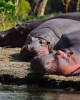
Safari in Nairobi - 6-DAY CRESCENT ISLAND LAKE NAKURU MASAI MARA GAME SAFARI
Day 1: ArrivalYou will be picked up at the airport on your arrival and be taken to the office or hotel for a tour briefing. You will later be dropped -
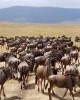
Eco and Wildlife tour in Nairobi - 7-Day 2023 Wildbeest in Masai Mara Lake Nakuru Safari
Day 1: ArrivalYou will be picked up at the airport on your arrival and be taken to the office or hotel for a tour briefing. You will later be dropped -
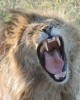
Safari in Nairobi - 7-Day Great Highlight of Masai Mara Serengeti Wildbeest Migration
Day 1: Nairobi -Masai Mara National ReserveYou will be pick up from the airport by the driver guide and thereafter drive to maasi mara via via Narok t
Quick tours search
Tour Categories
- Any tour category
- Adventure tour
- Arts and Crafts tour
- Boating and Sailing tour
- Children's tour
- Culture and History tour
- Diving tour
- Eco and Wildlife tour
- Excursion
- Expedition
- Fishing tour
- Gourmet & Cooking tour
- Hiking tour
- Hunting tour
- Jeep tour
- Private tour
- Railway trip
- Safari
- Shopping tour
- Sightseeing Nature tour
- Trekking tour
- Walking tour
- Wine tasting tour
Travel Agency in Cuba
Stefano
Travel Agency in Havana
We are extremely professional! We won't simply drive you around as they will provide you all the information,tips and advices you may need during your holiday in Cuba Read more
Tour in New Zealand
Private tour in Auckland
Looking forward to have some great time on the beach? Want to discover the fruitful wine industry of the Auckland area? Well, with this private tour in Auckland you will enjoy both these great activities during a single day! Read more