


 French
 Spanish
 Russian
: Tours and Excursion
History & Origins
The Menshikov Palace was constructed between 1710 and 1727, during the reign of Peter the Great. It was designed by architects Giovanni Maria Fontana and Gottfried Schдdel. The palace was intended to reflect the power and influence of Alexander Menshikov, who was one of the most prominent figures in Peter's court.
The palace served as a cultural and political hub during its early years, hosting numerous events and gatherings. After Menshikov's fall from grace in 1727, the palace was confiscated and repurposed for various uses, including a military academy and a hospital.
In the 20th century, the palace underwent extensive restoration to return it to its original Baroque splendor. Today, it stands as a testament to the architectural and cultural achievements of the Petrine era.
Architecture & Features
The Menshikov Palace is a prime example of Baroque architecture, characterized by its ornate facades and symmetrical design. The exterior features intricate stonework and decorative elements, while the interior boasts lavish halls, grand staircases, and richly decorated rooms.
The palace's interiors are adorned with frescoes, stucco work, and gilded details, reflecting the opulence of the era. Notable rooms include the Grand Hall, the State Dining Room, and Menshikov's private chambers, each showcasing the finest craftsmanship of the time.
Legends & Facts
One of the most intriguing stories about the palace involves Menshikov's rapid rise and fall from power. Despite his humble beginnings, Menshikov became one of the most influential figures in Russia, only to be exiled to Siberia after Peter the Great's death.
The palace's restoration in the 20th century revealed hidden architectural details and artifacts that had been lost for centuries, providing new insights into the Petrine era.
Today, the palace is a popular destination for those interested in Russian history and architecture, offering a glimpse into the life of one of Russia's most controversial figures.
Tourist Tips
Visitors should start their tour at the main entrance, where they can admire the palace's grand facade. Inside, the Grand Hall and State Dining Room are must-see attractions, showcasing the palace's opulent interiors.
The palace is best visited during the morning hours to avoid crowds. Guided tours are available, but visitors can also explore the palace at their own pace.
Nearby
- Hermitage Museum: One of the largest and most prestigious museums in the world.
- Saint Isaac's Cathedral: A stunning example of neoclassical architecture.
- Peter and Paul Fortress: The historic heart of Saint Petersburg.
- Nevsky Prospect: The city's main thoroughfare, lined with shops and landmarks.
- Church of the Savior on Spilled Blood: A colorful and iconic Russian Orthodox church.
Practical FAQ for Travelers
What are the opening hours?
The palace is open from 10:30 AM to 6:00 PM, Tuesday to Sunday.
Is there an entrance fee?
Yes, tickets cost approximately 700 Rubles for adults.
What is the best time to visit?
Early mornings on weekdays are less crowded.
Are there guided tours available?
Yes, guided tours are available in multiple languages.
Is the palace accessible for visitors with disabilities?
Partial accessibility is available, but some areas may be difficult to navigate.
Menshikov Palace: Private tours and Excursions.
-

Adventure tour in St. Petersburg - St.Petersburg City Tour on segway with a private guide
This private tour is for those who want something different to classical bus or walking tour. We will avoid traffic and will move faster than by foot
Quick tours search
Tour Categories
- Any tour category
- Adventure tour
- Arts and Crafts tour
- Boating and Sailing tour
- Children's tour
- Culture and History tour
- Diving tour
- Eco and Wildlife tour
- Excursion
- Expedition
- Fishing tour
- Gourmet & Cooking tour
- Hiking tour
- Hunting tour
- Jeep tour
- Private tour
- Railway trip
- Safari
- Shopping tour
- Sightseeing Nature tour
- Trekking tour
- Walking tour
- Wine tasting tour
Private Guide in Ethiopia

Yonas
Private Guide in Addis Ababa
I taught for seven years in different parts of the country. Then I decided to go to school to study tourism. There, I got what my real soul is and for what purpose am created for! Read more
Tour in United States
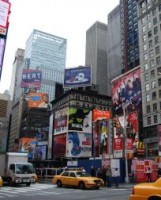
Private tour in New York
We will stop on our tour for pizza and at Roccos famous Italian bakery. See the brownstones, and sights where tv shows like Friends and Sex and The City were filmed. From Greenwich Village we head to the east village to visit Washington Square Park, New York University, and then make our way to Soho. Read more