


 French
 Spanish
 Russian
: Tours and Excursion
Attention!!! There are tours with discounts.
Mnazi mmoja Uhuru torch
The Mnazi mmoja Uhuru torch is a significant monument in Tanzania, symbolizing freedom and unity. It was erected to commemorate the country's independence and is a focal point for national celebrations.
History & Origins
The Uhuru Torch was first lit on Mount Kilimanjaro in 1961 to mark Tanzania's independence. The Mnazi Mmoja monument was later established in Dar es Salaam as a permanent symbol of this event.
The torch represents the spirit of freedom and the struggle for independence. It is a reminder of the sacrifices made by the people of Tanzania to achieve self-rule.
The monument is often the centerpiece during national holidays, especially Independence Day celebrations.
Architecture & Features
The Mnazi mmoja Uhuru torch features a tall, slender structure with a flame-like design at the top. The base is often adorned with plaques and inscriptions detailing its historical significance.
The surrounding area is a public space, often used for gatherings and events. The monument is illuminated at night, making it a striking landmark in the city.
Legends & Facts
1. The Uhuru Torch is traditionally carried across the country during national celebrations, symbolizing the spread of freedom and unity.
2. The flame is kept alive throughout the year, representing the enduring spirit of the Tanzanian people.
3. The monument has become a popular spot for tourists and locals alike to reflect on the country's history.
Tourist Tips
Visit during the early morning or late afternoon to avoid the heat. The monument is easily accessible and can be combined with a visit to nearby attractions.
Nearby
- National Museum of Tanzania - A museum showcasing the country's rich history and culture.
- Askari Monument - A memorial dedicated to the African soldiers who fought in World War I.
- Azania Front Lutheran Church - A historic church with stunning architecture.
- Kivukoni Fish Market - A bustling market offering fresh seafood and local delicacies.
- Dar es Salaam Botanical Gardens - A peaceful retreat with diverse plant species.
Practical FAQ for Travelers
What are the opening hours?
The monument is accessible 24/7, but the surrounding area may have restricted hours during national events.
Is there an entrance fee?
No, the monument is free to visit.
What is the best time to visit?
Early morning or late afternoon for cooler temperatures and fewer crowds.
Is photography allowed?
Yes, photography is permitted.
Is the site accessible for people with disabilities?
Yes, the monument is wheelchair accessible.
Mnazi mmoja Uhuru torch: Private tours and Excursions. Hurry up and book a tour with a discount.
-
Special Offer!
Walking tour in Dar Es Salaam - DAR ES SALAAM CITY WALKING TOUR
Dar es Salaam City Walking tour is about exploring local peoples life. This is one of the best tours that is offered by this Guide. It include a visit
Quick tours search
Tour Categories
- Any tour category
- Adventure tour
- Arts and Crafts tour
- Boating and Sailing tour
- Children's tour
- Culture and History tour
- Diving tour
- Eco and Wildlife tour
- Excursion
- Expedition
- Fishing tour
- Gourmet & Cooking tour
- Hiking tour
- Hunting tour
- Jeep tour
- Private tour
- Railway trip
- Safari
- Shopping tour
- Sightseeing Nature tour
- Trekking tour
- Walking tour
- Wine tasting tour
Private Guide in Belgium

Mike
Private Guide in Brussels
40 years of tourism and hotel business experience. Private guide Mike is devoted to providing his guests with a memorable experience that exceeds all their expectations. Read more
Tour in Kenya
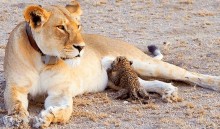
7-Day Explore Wildlife Samburu Great Rift Valley Lakes
Safari in Nairobi
Samburu National Reserve is situated about 350 kms north of Nairobi in the semi arid part of Kenya. Ewaso Nyiro River, bisects the reserve and the river is home to some of the biggest Reptiles in the region and attracts a good number of birds.
Read more