


 French
 Spanish
 Russian
Noto Italy : Tours and Excursion
Monasteries of Noto
The Monasteries of Noto are historic religious complexes that played a significant role in the spiritual and cultural life of the city. These monasteries, often attached to churches, are known for their serene atmospheres, architectural beauty, and historical importance.
History & Origins
The monasteries were established during Noto's Baroque revival in the 18th century, following the 1693 earthquake. They were built to house religious orders and serve as centers of learning and piety. Many of the monasteries were designed by prominent architects of the time, incorporating Baroque elements into their structures.
Over the centuries, the monasteries have witnessed various historical events, including the suppression of religious orders during the 19th century. Despite these challenges, they have remained important landmarks in Noto, preserving the city's religious and cultural heritage.
Architecture & Features
The monasteries feature cloisters, courtyards, and chapels, all designed with the Baroque emphasis on grandeur and detail. The use of local limestone gives the buildings their characteristic golden color, which changes hue with the sunlight.
Notable examples include the Monastery of Santa Chiara, with its elegant cloister and oval church, and the Monastery of San Domenico, known for its harmonious proportions and decorative elements. The interiors often contain frescoes, religious artifacts, and quiet gardens.
Legends & Facts
One interesting fact is that some monasteries in Noto were originally built for nuns, with features designed to ensure their seclusion from the outside world. Another notable aspect is the role these monasteries played in preserving manuscripts and artworks during times of political upheaval.
Tourist Tips
Visiting the Monasteries of Noto offers a peaceful retreat from the bustling city. Start with the Monastery of Santa Chiara, then explore others at a leisurely pace. Respect the quiet atmosphere and dress modestly, as these are active religious sites.
Nearby
- Monastery of Santa Chiara - Features a beautiful cloister and oval church.
- Monastery of San Domenico - Known for its architectural harmony.
- Church of Santa Chiara - Adjacent to the monastery with stunning interiors.
- Church of San Domenico - A Baroque masterpiece with intricate details.
- Corso Vittorio Emanuele - The main street lined with Baroque buildings.
Practical FAQ for Travelers
What are the opening hours?
Most monasteries are open from 10 AM to 5 PM, but hours may vary.
Is there an entrance fee?
Some monasteries may request a small donation for maintenance.
What is the best time to visit?
Mid-morning or early afternoon for the best light and fewer crowds.
Is photography allowed?
Yes, but avoid disturbing the peaceful atmosphere.
Is there a dress code?
Yes, modest attire is required (covered shoulders and knees).
Monasteries of Noto: Private tours and Excursions.
-
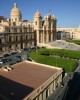
Culture and History tour in Noto - Full Day Tour in Noto Antica and Noto
The town of Noto is renowned for its exceptional Baroque heritage that inspired the Tuscan art critic Cesare Brandi to name it "Garden of Stone". Noto