


 French
 Spanish
 Russian
: Tours and Excursion
Attention!!! There are tours with discounts.
Mount Odae
Mount Odae is a prominent peak in the Taebaek Mountain Range, standing at 1,563 meters (5,128 ft) above sea level. It is part of Odaesan National Park, known for its lush forests, scenic hiking trails, and Buddhist temples. The mountain is particularly famous for its autumn foliage and winter snowscapes, attracting nature enthusiasts year-round.
History & Origins
Mount Odae has been a sacred site for centuries, with its name translating to 'Five Plains Mountain' due to its five plateaus. The area became a national park in 1975 to preserve its natural beauty and cultural heritage. Several ancient temples, including Woljeongsa and Sangwonsa, are nestled within its slopes, dating back to the Silla Dynasty.
Architecture & Features
The mountain's terrain is characterized by rugged ridges, deep valleys, and dense forests of pine and oak. The temples feature traditional Korean Buddhist architecture, with intricate wooden carvings and colorful dancheong (decorative paintwork). The park also boasts crystal-clear streams and waterfalls, such as Sogeumgang Valley.
Legends & Facts
According to legend, the mountain was named by a monk who saw five flat plains resembling a lotus flower. The area is also home to rare wildlife, including the Korean goral and Asiatic black bear. In 2018, Mount Odae was designated a UNESCO Biosphere Reserve for its ecological significance.
Tourist Tips
The most popular hiking route is the 7.5 km trail from Woljeongsa Temple to Birobong Peak, the highest point. Spring and autumn are the best seasons for hiking, while winter offers stunning snow-covered landscapes. Visitors should wear sturdy footwear and carry sufficient water.
Nearby
- Woljeongsa Temple: A historic Buddhist temple with a nine-story octagonal pagoda.
- Sogeumgang Valley: A picturesque valley with clear streams and rock formations.
- Odaesan National Park Visitor Center: Offers exhibits on the park's flora and fauna.
- Sangwonsa Temple: A serene temple housing a rare bronze bell from the Goryeo Dynasty.
- Chiaksan National Park: Another scenic mountain park located nearby.
Practical FAQ for Travelers
When is the best time to visit Mount Odae?
The best times are spring (April-May) for cherry blossoms and autumn (September-October) for vibrant foliage.
Are there entrance fees for Odaesan National Park?
Yes, a small fee is required for park entry, with discounts for children and seniors.
How long does it take to hike to Birobong Peak?
The round-trip hike typically takes 4-5 hours, depending on pace and rest stops.
Is the park accessible for families with young children?
Yes, but some trails are steep and may not be suitable for very young children.
Are pets allowed in the park?
Pets are allowed but must be kept on a leash at all times.
Mount Odae: Private tours and Excursions. Hurry up and book a tour with a discount.
-
Special Offer!
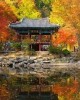
Private tour in Pusan - Korea
1. Tours Introduction : Korea’s BEST 5 Fall Foliage Sites Cooling temperatures followed by the changing leaves from the vibrant greens of summ
Quick tours search
Tour Categories
- Any tour category
- Adventure tour
- Arts and Crafts tour
- Boating and Sailing tour
- Children's tour
- Culture and History tour
- Diving tour
- Eco and Wildlife tour
- Excursion
- Expedition
- Fishing tour
- Gourmet & Cooking tour
- Hiking tour
- Hunting tour
- Jeep tour
- Private tour
- Railway trip
- Safari
- Shopping tour
- Sightseeing Nature tour
- Trekking tour
- Walking tour
- Wine tasting tour
Private Guide in Korea South

Charlie
Private Guide in Seoul
I have live in Seoul. In Seoul, I’ve sought out the most interesting temples, gardens, nightlife districts and fascinating urban landscapes. Read more
Tour in United States
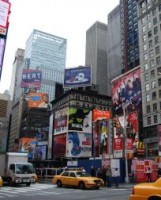
Private tour in New York
We will stop on our tour for pizza and at Roccos famous Italian bakery. See the brownstones, and sights where tv shows like Friends and Sex and The City were filmed. From Greenwich Village we head to the east village to visit Washington Square Park, New York University, and then make our way to Soho. Read more