


 French
 Spanish
 Russian
: Tours and Excursion
Attention!!! There are tours with discounts.
Mount Palgongsan National Park
Mount Palgongsan National Park is a scenic natural reserve located in Daegu, South Korea. Known for its rugged terrain, lush forests, and cultural landmarks, the park offers a variety of outdoor activities and breathtaking views. It is a popular destination for hikers, nature enthusiasts, and those interested in Korean Buddhist culture.
History & Origins
Mount Palgongsan has been a sacred site for centuries, with its history deeply intertwined with Korean Buddhism. The mountain is home to several ancient temples, including Donghwasa Temple, which was established in the 5th century. The area was designated as a national park in 1980 to preserve its natural beauty and cultural heritage.
Architecture & Features
The park features a diverse landscape of rocky peaks, dense forests, and clear streams. The hiking trails vary in difficulty, offering options for both casual walkers and experienced hikers. The park is also home to several Buddhist temples, pagodas, and statues, including the famous Gatbawi Buddha.
Legends & Facts
One of the most famous legends associated with Mount Palgongsan is the story of the Gatbawi Buddha. It is said that the statue grants wishes to those who pray with sincerity. The mountain is also known for its unique rock formations and the seasonal beauty of its flora and fauna.
Tourist Tips
Visitors should wear sturdy hiking boots and bring plenty of water, especially if planning to hike to the summit. The park is busiest during the spring and fall seasons when the weather is ideal for outdoor activities.
Nearby
- Donghwasa Temple: A historic Buddhist temple located within the park.
- Gatbawi Buddha: A famous stone Buddha statue known for granting wishes.
- Palgong Mountain Cable Car: A cable car offering panoramic views of the mountain.
- Daegu Arboretum: A botanical garden featuring a variety of plant species.
- Daegu Yangnyeongsi Museum of Oriental Medicine: A museum dedicated to traditional Korean medicine.
Practical FAQ for Travelers
What are the opening hours?
The park is open from sunrise to sunset daily.
What is the best time to visit?
The best time to visit is during the spring or fall when the weather is mild and the foliage is at its peak.
How long does a visit take?
A typical visit can take anywhere from 2-6 hours, depending on the trails chosen.
Are there any dress code requirements?
There is no specific dress code, but comfortable hiking attire is recommended.
Is the park accessible for children?
Yes, there are family-friendly trails suitable for children.
Can I take photos inside?
Yes, photography is allowed throughout the park.
Mount Palgongsan National Park: Private tours and Excursions. Hurry up and book a tour with a discount.
-
Special Offer!
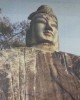
Private tour in Pusan - Full-Day Tour from Busan to Daegu City and Cheongdo Wine Tunnel 1-40 pax.
1. Tours Introduction : Enjoying Local Culture + History + Foods + nature view Daegu, Cheongdo location is just one hour and 20 minutes from Busan b
Quick tours search
Tour Categories
- Any tour category
- Adventure tour
- Arts and Crafts tour
- Boating and Sailing tour
- Children's tour
- Culture and History tour
- Diving tour
- Eco and Wildlife tour
- Excursion
- Expedition
- Fishing tour
- Gourmet & Cooking tour
- Hiking tour
- Hunting tour
- Jeep tour
- Private tour
- Railway trip
- Safari
- Shopping tour
- Sightseeing Nature tour
- Trekking tour
- Walking tour
- Wine tasting tour
Private Guide in Fiji
Ben
Private Guide in Nadi
This is where you experience the lively sunshine and smiling faces of the Fijian people. Come join me and experience for yourself that Fiji is the place to be. Read more
Tour in Kenya

7-Day Explore Wildlife Samburu Great Rift Valley Lakes
Safari in Nairobi
Samburu National Reserve is situated about 350 kms north of Nairobi in the semi arid part of Kenya. Ewaso Nyiro River, bisects the reserve and the river is home to some of the biggest Reptiles in the region and attracts a good number of birds.
Read more