


 French
 Spanish
 Russian
: Tours and Excursion
National Museum of Pakistan
The National Museum of Pakistan is the largest museum in the country, located in Karachi. Established in 1950, it houses an extensive collection of artifacts, artworks, and historical objects that showcase Pakistan's rich cultural heritage. The museum's exhibits span from the prehistoric era to the modern age, including items from the Indus Valley Civilization, Gandhara art, and Islamic history.
History & Origins
The National Museum of Pakistan was founded in 1950, initially housed in the Frere Hall building. It was later moved to its current location in Burns Garden, Karachi, in 1970. The museum was established to preserve and display Pakistan's cultural and historical artifacts, many of which were transferred from the Lahore Museum after the partition of India in 1947.
The museum's collection includes over 58,000 objects, with significant pieces from the Mohenjo-Daro and Harappa sites of the Indus Valley Civilization. These artifacts provide valuable insights into one of the world's earliest urban cultures.
In addition to ancient artifacts, the museum also features exhibits on Pakistan's struggle for independence, including documents and personal belongings of key figures like Muhammad Ali Jinnah.
Architecture & Features
The National Museum of Pakistan is housed in a modern building designed to accommodate its vast collections. The museum's galleries are organized thematically, with sections dedicated to archaeology, ethnology, and Islamic art. The archaeology gallery is particularly notable for its displays of Indus Valley seals, pottery, and jewelry.
The museum also features a Quranic gallery, which houses rare manuscripts and calligraphic works. The ethnology section showcases traditional costumes, musical instruments, and crafts from Pakistan's diverse regions.
Legends & Facts
1. The museum's collection includes the famous 'Priest-King' statue from Mohenjo-Daro, one of the most iconic artifacts of the Indus Valley Civilization.
2. The Quranic gallery contains a rare 7th-century Quran manuscript, believed to be one of the oldest in the world.
3. The museum's coin collection features currencies from various historical periods, including the Mauryan, Kushan, and Mughal empires.
Tourist Tips
Visitors to the National Museum of Pakistan should allocate at least two hours to explore the galleries thoroughly. The archaeology and Quranic galleries are must-see sections. Guided tours are available, but visitors can also explore independently with the help of informative displays.
Nearby
- Frere Hall: A historic building with beautiful gardens and art exhibitions.
- Mohatta Palace: A museum showcasing Pakistan's cultural heritage in a stunning architectural setting.
- Clifton Beach: A popular seaside destination for relaxation and recreation.
- Quaid-e-Azam's Mausoleum: The final resting place of Pakistan's founder, Muhammad Ali Jinnah.
- Empress Market: A bustling marketplace with a variety of goods and foods.
Practical FAQ for Travelers
What are the opening hours?
The museum is open from 9:00 AM to 5:00 PM, Tuesday through Sunday.
Is there an entrance fee?
Yes, there is a small entrance fee for visitors.
What is the best time to visit?
Weekday mornings are less crowded, making it an ideal time for a more relaxed visit.
Are photography and videography allowed?
Photography is allowed in most galleries, but flash and tripods may be restricted.
Is the museum accessible for people with disabilities?
Yes, the museum is wheelchair accessible.
Are there any dress code requirements?
Modest attire is recommended, as the museum is a cultural institution.
National Museum of Pakistan: Private tours and Excursions.
-
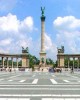
Private tour in Budapest - Budapest Sightseeing Tour By Van
Budapest is situated on the banks of the Danube. The river splits the city into two halves: Pest, which is completely flat, and Buda, which is hilly.
Quick tours search
Tour Categories
- Any tour category
- Adventure tour
- Arts and Crafts tour
- Boating and Sailing tour
- Children's tour
- Culture and History tour
- Diving tour
- Eco and Wildlife tour
- Excursion
- Expedition
- Fishing tour
- Gourmet & Cooking tour
- Hiking tour
- Hunting tour
- Jeep tour
- Private tour
- Railway trip
- Safari
- Shopping tour
- Sightseeing Nature tour
- Trekking tour
- Walking tour
- Wine tasting tour
Private Guide in Morocco

Mustapha
Private Guide in Marrakech
My name is Mustapha. I am your guide and will support you during the tour. I promise you are going to enjoy your stay here in Morocco. This is a beautiful, quiet country where ... Read more
Tour in Kenya
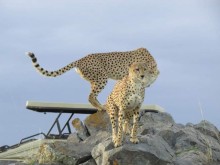
14-Day Discover Masai Mara Amboseli Serengeti Ngorongoro crater Zanzibar Beach Safari
Safari in Nairobi
Lake Nakuru is famous for its millions of flamigoes and migrant birds from over the world; in Nakuru we have upto 425 different bird species. You will leave back to the hotel before dark for your dinner and overnight at you lodge Read more