


 French
 Spanish
 Russian
Mexico : Tours and Excursion
History & Origins
The National Museum of Anthropology was inaugurated in 1964, designed by architect Pedro Ramнrez Vбzquez. It was built to replace the old National Museum, which had become too small to house the growing collection of artifacts. The museum's design incorporates elements of pre-Columbian architecture, blending traditional and modern styles.
Architecture & Features
The museum is organized around a central courtyard, with exhibition halls radiating outwards. The courtyard is dominated by a massive stone umbrella, a symbol of the museum. The exhibition halls are arranged chronologically and thematically, covering various aspects of Mexico's indigenous cultures.
Legends & Facts
One of the museum's most famous artifacts is the Aztec Sun Stone, also known as the Calendar Stone. Another notable exhibit is the reconstructed tomb of Pakal the Great, a Maya ruler from Palenque. The museum also houses a vast collection of codices, ancient manuscripts that provide insights into the lives of pre-Columbian peoples.
Tourist Tips
Visitors should allocate at least half a day to explore the museum thoroughly. Audio guides are available in multiple languages, and guided tours can be arranged in advance. The museum's gift shop offers a variety of souvenirs and books related to Mexican culture.
Nearby
- Chapultepec Castle: A historic castle located within Chapultepec Park.
- Chapultepec Zoo: One of the oldest and most famous zoos in Latin America.
- Museo Tamayo: A contemporary art museum located nearby.
- Auditorio Nacional: A major concert venue in Mexico City.
- Botanical Garden: A beautiful garden showcasing Mexico's diverse flora.
Practical FAQ for Travelers
What are the opening hours?
The museum is open from Tuesday to Sunday, 9:00 AM to 7:00 PM.
Is there an entrance fee?
Yes, there is an entrance fee, but it is free for Mexican citizens on Sundays.
What is the best time to visit?
Weekdays are generally less crowded than weekends.
Is it accessible for people with disabilities?
Yes, the museum is wheelchair accessible.
Are pets allowed?
No, pets are not allowed inside the museum.
National Museum of Anthropology: Private tours and Excursions.
-
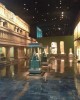
Culture and History tour in Mexico City - Anthropology Museum and Chapultepec Castle
Step into the heart of Mexico’s rich cultural legacy on this immersive half-day tour through two of Mexico City’s most iconic landmarks: t
Quick tours search
Tour Categories
Travel Agency in Cuba

Stefano
Travel Agency in Havana
We are extremely professional! We won't simply drive you around as they will provide you all the information,tips and advices you may need during your holiday in Cuba Read more
Tour in United States

Private tour in New York
We will stop on our tour for pizza and at Roccos famous Italian bakery. See the brownstones, and sights where tv shows like Friends and Sex and The City were filmed. From Greenwich Village we head to the east village to visit Washington Square Park, New York University, and then make our way to Soho. Read more