


 French
 Spanish
 Russian
: Tours and Excursion
Wall Street, located in the Financial District of Lower Manhattan in New York City, is synonymous with the American financial industry and the New York Stock Exchange. Known as the financial capital of the world, Wall Street is a hub for major financial institutions, including banks, investment firms, and stock exchanges. The street's name originates from the wall built by Dutch settlers in the 17th century to protect their settlement from British invasion.
History & Origins
Wall Street's history dates back to the Dutch colonial era in the 1600s. The street was named after the wooden wall built by Dutch settlers to protect New Amsterdam from potential attacks. Over time, the wall was dismantled, but the name persisted. By the late 18th century, Wall Street had become a center for financial activities, and in 1792, the Buttonwood Agreement marked the foundation of the New York Stock Exchange.
Throughout the 19th and 20th centuries, Wall Street grew in prominence, becoming the epicenter of American finance. The street witnessed significant historical events, including the Panic of 1907, the Great Depression, and the 2008 financial crisis. Today, Wall Street remains a symbol of global finance and economic power.
Architecture & Features
Wall Street is characterized by its iconic skyscrapers and historic buildings. The New York Stock Exchange, located at 11 Wall Street, is a prominent landmark with its neoclassical architecture. The Federal Hall National Memorial, situated at 26 Wall Street, is another notable structure, serving as the site of George Washington's inauguration as the first President of the United States.
The street is lined with modern office buildings housing major financial institutions, including Goldman Sachs, J.P. Morgan, and Morgan Stanley. The Charging Bull sculpture, located nearby in Bowling Green Park, is a popular tourist attraction symbolizing the financial optimism of Wall Street.
Legends & Facts
Wall Street has been the backdrop for numerous historical events and financial milestones. The Buttonwood Agreement, signed in 1792, established the New York Stock Exchange, laying the foundation for modern stock trading. The street has also been the site of significant financial crises, including the Panic of 1907 and the Great Depression.
One lesser-known fact is that Wall Street was once the location of the first U.S. Capitol building, where George Washington was inaugurated as President. The street has also been featured in numerous films and television shows, cementing its status as a cultural icon.
Tourist Tips
When visiting Wall Street, start your tour at the New York Stock Exchange, where you can learn about the history of stock trading. Next, visit the Federal Hall National Memorial to explore its exhibits on American history. Don't forget to take a photo with the Charging Bull sculpture, a symbol of financial optimism.
For a deeper understanding of Wall Street's history and significance, consider hiring a private guide who can provide insider knowledge and historical context. A private guide can also help you navigate the bustling streets and avoid the crowds.
Nearby
- Battery Park: A waterfront park offering stunning views of the Statue of Liberty and Ellis Island.
- Trinity Church: A historic church with beautiful Gothic architecture and a cemetery dating back to the 17th century.
- South Street Seaport: A historic district with shops, restaurants, and a museum dedicated to New York's maritime history.
- 9/11 Memorial & Museum: A poignant memorial honoring the victims of the September 11 attacks.
- Brooklyn Bridge: An iconic bridge connecting Manhattan and Brooklyn, offering panoramic views of the city skyline.
Practical FAQ for Travelers
What is the best time to visit Wall Street?
The best time to visit Wall Street is during weekdays, as weekends can be quieter with fewer financial activities. Early mornings are ideal to avoid crowds.
How long should I spend at Wall Street?
Plan to spend at least 2-3 hours exploring Wall Street and its surrounding attractions.
Is Wall Street accessible for people with disabilities?
Yes, Wall Street is accessible for people with disabilities, with ramps and elevators available in most buildings.
Can I take photos at Wall Street?
Yes, photography is allowed at Wall Street, especially at popular spots like the Charging Bull sculpture.
Why should I hire a private guide for Wall Street?
A private guide can provide in-depth historical context, insider knowledge, and help you navigate the bustling streets efficiently.
Wall Street: Private tours and Excursions.
-
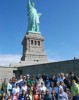
Walking tour in New York - Wall Street to The Statue of Liberty
After meeting you in the lobby of your hotel, we will subway together down to Battery park, where we will board the ferry boats that will take us to s
Quick tours search
Tour Categories
- Any tour category
- Adventure tour
- Arts and Crafts tour
- Boating and Sailing tour
- Children's tour
- Culture and History tour
- Diving tour
- Eco and Wildlife tour
- Excursion
- Expedition
- Fishing tour
- Gourmet & Cooking tour
- Hiking tour
- Hunting tour
- Jeep tour
- Private tour
- Railway trip
- Safari
- Shopping tour
- Sightseeing Nature tour
- Trekking tour
- Walking tour
- Wine tasting tour
Private Guide in Greece

Angelo
Private Guide in Katerini
I can make your hiking, beach bar hopping and educational experience one of a kind! You will learn everything you ever wondered about this beautiful country. Read more
Tour in India

Private tour in Jaipur
Morning visit the world famous beautiful Taj Mahal built by the Moghul Emperor Shahjehan in 1630 for his beloved Queen Mumtaz Mahal to enshrine her mortal remains. Taj Mahal was built in 20 years and over 20,000 worker had worked in constructing it. Read more