


 French
 Spanish
 Russian
: Tours and Excursion
Attention!!! There are tours with discounts.
The Nile
The Nile is the longest river in the world, flowing through northeastern Africa. It is a vital water source for Egypt and Sudan, supporting agriculture and human settlements for millennia. The river is historically significant, often associated with ancient Egyptian civilization.
History & Origins
The Nile has been a lifeline for civilizations for over 5,000 years. Ancient Egyptians relied on its annual floods for fertile soil, which was crucial for their agriculture. The river also served as a major transportation route, facilitating trade and cultural exchange.
The Nile's source was a mystery for centuries, with explorers like John Hanning Speke finally identifying Lake Victoria as one of its primary sources in the 19th century.
Architecture & Features
The Nile spans approximately 6,650 kilometers, flowing through multiple countries, including Uganda, South Sudan, Sudan, and Egypt. The river's delta in Egypt is one of the most fertile regions in the world.
Legends & Facts
The Nile is often referred to as the 'father of African rivers' due to its historical and cultural importance. It has been featured in numerous myths and legends, including those of ancient Egypt.
Tourist Tips
Visitors can explore the Nile via cruises, which offer stunning views of ancient temples and modern cities along its banks. The best time to visit is during the cooler months from October to April.
Nearby
- Luxor: Home to the Valley of the Kings and numerous ancient temples.
- Aswan: Known for its High Dam and Philae Temple.
- Cairo: Egypt's bustling capital with the Pyramids of Giza.
- Khartoum: The confluence of the Blue and White Nile.
- Lake Victoria: One of the Nile's primary sources.
Practical FAQ for Travelers
What are the best activities on the Nile?
Cruises and boat tours are popular, offering views of historical sites.
Is the Nile safe for swimming?
Swimming is not recommended due to strong currents and wildlife.
What is the best time to visit?
October to April offers cooler temperatures.
Are there guided tours available?
Yes, numerous operators offer guided cruises and tours.
Is the Nile accessible for kids?
Yes, family-friendly cruises are available.
Are pets allowed on Nile cruises?
Policies vary by operator; check in advance.
Nile: Private tours and Excursions. Hurry up and book a tour with a discount.
-
Special Offer!

Private tour in Luxor - Special Christmas Nile Cruise
A Nile Cruise from Aswan to Luxor during Christmas is the best choice to enjoy your Holidays to Egypt. You will mix your Christmas party and special C
Quick tours search
Tour Categories
- Any tour category
- Adventure tour
- Arts and Crafts tour
- Boating and Sailing tour
- Children's tour
- Culture and History tour
- Diving tour
- Eco and Wildlife tour
- Excursion
- Expedition
- Fishing tour
- Gourmet & Cooking tour
- Hiking tour
- Hunting tour
- Jeep tour
- Private tour
- Railway trip
- Safari
- Shopping tour
- Sightseeing Nature tour
- Trekking tour
- Walking tour
- Wine tasting tour
Private Guide in Morocco

Mustapha
Private Guide in Marrakech
My name is Mustapha. I am your guide and will support you during the tour. I promise you are going to enjoy your stay here in Morocco. This is a beautiful, quiet country where ... Read more
Tour in New Zealand
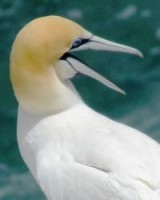
Private tour in Auckland
Looking forward to have some great time on the beach? Want to discover the fruitful wine industry of the Auckland area? Well, with this private tour in Auckland you will enjoy both these great activities during a single day! Read more