


 French
 Spanish
 Russian
: Tours and Excursion
Attention!!! There are tours with discounts.
The Painted Monasteries of Romania, located in the region of Bucovina, are a group of UNESCO World Heritage Sites renowned for their stunning frescoes and architectural beauty. These monasteries, built in the 15th and 16th centuries, are masterpieces of Byzantine art and offer a glimpse into the religious and cultural history of Romania. A private guide can enhance your visit by providing detailed insights into the art and history of these sacred sites.
History & Origins
The Painted Monasteries were constructed during a period of great religious and cultural activity in Romania. They were built by local rulers and noble families as places of worship and centers of learning.
The monasteries are famous for their exterior frescoes, which depict biblical scenes and religious figures. These frescoes were intended to educate the largely illiterate population about the Christian faith and its teachings.
Over the centuries, the monasteries have survived wars, invasions, and natural disasters, thanks to the efforts of local communities and the church. Today, they are cherished as national treasures and important cultural landmarks.
Architecture & Features
The Painted Monasteries are characterized by their distinctive architecture, which combines elements of Byzantine, Gothic, and local styles. The buildings are typically surrounded by fortified walls, reflecting the need for protection during turbulent times.
The most striking feature of the monasteries is their exterior frescoes, which cover the walls with vibrant colors and intricate details. These frescoes are considered some of the finest examples of Byzantine art in the world.
Inside, the monasteries are adorned with beautiful icons, wood carvings, and other religious artifacts. The interiors are designed to inspire awe and reverence, creating a sacred atmosphere for worship and contemplation.
Legends & Facts
One of the most famous legends associated with the Painted Monasteries is the story of the 'Last Judgment' fresco at Voronet Monastery. This fresco is said to have been painted by a monk who was inspired by a divine vision.
Another interesting fact is that the frescoes at Sucevita Monastery include depictions of local historical figures, blending religious and secular themes. This unique feature provides valuable insights into the social and political context of the time.
The monasteries are also known for their role in preserving the Romanian language and culture during periods of foreign domination. They served as centers of learning and resistance, helping to maintain the national identity.
Tourist Tips
When visiting the Painted Monasteries, it is recommended to start with Voronet Monastery, known as the 'Sistine Chapel of the East,' to appreciate its stunning frescoes. From there, explore other monasteries such as Sucevita, Moldovita, and Humor.
Consider hiring a private guide to get the most out of your visit. A knowledgeable guide can provide detailed explanations of the frescoes and share interesting anecdotes about the monasteries' history.
Nearby
- Suceava Fortress - A historic fortress with panoramic views.
- Bucovina Village Museum - Showcasing traditional Romanian village life.
- Dragomirna Monastery - Known for its unique architecture.
- Putna Monastery - The burial place of Stephen the Great.
- Rarau Mountains - A scenic mountain range perfect for hiking.
Practical FAQ for Travelers
What are the ticket prices?
Entry to the monasteries is usually free, but donations are appreciated.
What is the best time to visit?
The best time to visit is during the spring and summer months when the weather is pleasant.
How long does a visit typically take?
A typical visit lasts about 3-4 hours, depending on your level of interest.
Are photos allowed inside the monasteries?
Yes, photography is allowed, but flash photography is prohibited.
Is the site accessible for children?
Yes, the monasteries offer family-friendly activities and guided tours.
Why should I hire a private guide?
A private guide can provide personalized insights and detailed explanations, enhancing your overall experience.
Painted Monasteries: Private tours and Excursions. Hurry up and book a tour with a discount.
-
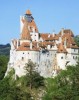
Private tour in Bucharest - Romania, a destination with pleasure
Day 1 Bucharest-Sinaia Arrival at the International Airport Bucharest. Transfer to Sinaia (2 long hours), through the beautiful Prahova Valley Arri -
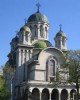
Private tour in Bucharest - Why Romania
Day 1 Bucharest - Sinaia· Arival at the International Airport Bucharest · Transfer to Sinaia ( 2 hours) ), through the beautiful Praho -
Special Offer!
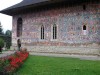
Culture and History tour in Bucharest - 2025 Bucovina & Transylvania Explorer - Romania Private Tour Guide
2025 Bucovina & Transylvania Explorer: The Best Tour of Romania in 6 Days. Day 1: Bucharest to Bucovina Begin your Romania private tour with a mo -
Special Offer!
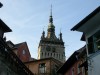
Culture and History tour in Bucharest - 2025 The Romanian Rhapsody Private Tour - The Original
Hunedoara Last Judgement Whole Sighisoara 2025 Tour Itinerary: Day 1: Bucharest ArrivalArrival to Coanda International Airport in
Quick tours search
Tour Categories
- Any tour category
- Adventure tour
- Arts and Crafts tour
- Boating and Sailing tour
- Children's tour
- Culture and History tour
- Diving tour
- Eco and Wildlife tour
- Excursion
- Expedition
- Fishing tour
- Gourmet & Cooking tour
- Hiking tour
- Hunting tour
- Jeep tour
- Private tour
- Railway trip
- Safari
- Shopping tour
- Sightseeing Nature tour
- Trekking tour
- Walking tour
- Wine tasting tour
Private Guide in Ethiopia
Yonas
Private Guide in Addis Ababa
I taught for seven years in different parts of the country. Then I decided to go to school to study tourism. There, I got what my real soul is and for what purpose am created for! Read more
Tour in Argentina
Culture and History tour in Buenos Aires
This is an extended version of the Buenos Aires' Highlights Tour! Read more