


 French
 Spanish
 Russian
Noto Italy : Tours and Excursion
History & Origins
The Palaces of Noto were built by the town's aristocracy during the Baroque period, a time of great cultural and architectural flourishing in Sicily. The palaces served as residences for noble families and were also used for social gatherings and official functions.
The construction of these palaces was overseen by some of the most prominent architects of the time, who incorporated elements of Baroque, Rococo, and Neoclassical styles into their designs. The palaces were intended to showcase the wealth and power of their owners, and they remain some of the most impressive examples of Baroque architecture in Sicily.
Over the centuries, many of the palaces have been restored and preserved, allowing visitors to experience the grandeur of 18th-century Sicilian aristocracy.
Architecture & Features
The Palaces of Noto are characterized by their ornate facades, which feature intricate carvings, statues, and decorative elements. The interiors are equally impressive, with grand halls, ballrooms, and private chambers adorned with frescoes, stucco work, and marble floors.
One of the most notable features of the palaces is their use of local limestone, which gives the buildings a distinctive golden hue. This material not only adds to the aesthetic appeal of the structures but also reflects the natural beauty of the surrounding landscape.
Legends & Facts
One of the palaces is said to have been the site of a secret meeting during the Sicilian Revolution, adding a layer of historical intrigue to its already rich heritage.
Another palace is known for its hidden rooms, which were used by the nobility to escape during times of political unrest.
The palaces also house a collection of rare artworks and historical artifacts, some of which date back to the medieval period.
Tourist Tips
Visitors should start their tour at the main entrance of each palace, where they can admire the intricate facades before exploring the interiors. Guided tours are available, but visitors can also explore the palaces at their own pace.
It is recommended to visit the palaces in the morning or late afternoon, when the sunlight enhances the golden hue of the limestone.
Nearby
- Noto Cathedral: A stunning example of Sicilian Baroque architecture.
- Villa Romana del Tellaro: An ancient Roman villa with well-preserved mosaics.
- Noto Antica: The ruins of the old town of Noto, destroyed in the 1693 earthquake.
- San Domenico Church: Another beautiful Baroque church in Noto.
- Noto Market: A vibrant local market offering fresh produce and traditional Sicilian goods.
Practical FAQ for Travelers
What are the opening hours of the Palaces of Noto?
The palaces are open from 9:00 AM to 6:00 PM daily.
Is there an entrance fee?
Yes, there is a small entrance fee of 5 Euros.
What is the best time to visit?
The best time to visit is in the morning or late afternoon, when the sunlight enhances the beauty of the limestone facades.
Are the palaces accessible for people with disabilities?
Some areas of the palaces are accessible, but there are stairs in certain parts of the buildings.
Can I take photos inside the palaces?
Yes, photography is allowed, but flash photography is prohibited.
Are pets allowed inside the palaces?
No, pets are not allowed inside the palaces.
Palaces of Noto: Private tours and Excursions.
-
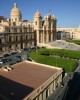
Culture and History tour in Noto - Full Day Tour in Noto Antica and Noto
The town of Noto is renowned for its exceptional Baroque heritage that inspired the Tuscan art critic Cesare Brandi to name it "Garden of Stone". Noto