


 French
 Spanish
 Russian
Belgium : Tours and Excursion
The Prince-Bishops' Palace in Liиge is a historic building that served as the residence of the Prince-Bishops of Liиge for centuries. The palace is a blend of architectural styles, reflecting its long history and the power of the Prince-Bishops.
History & Origins
The palace was originally built in the 11th century as a fortress for the Prince-Bishops, who ruled the Principality of Liиge as both spiritual and temporal leaders. The building was expanded and renovated several times, particularly in the 16th and 18th centuries.
The palace was the center of political and religious power in Liиge until the French Revolution, when the Prince-Bishopric was abolished. The building later served as a courthouse and government office.
Today, the palace houses the provincial government of Liиge and is a symbol of the city's rich history.
Architecture & Features
The Prince-Bishops' Palace combines medieval, Renaissance, and Baroque elements. The facade features ornate carvings and a grand staircase, while the interior includes a Gothic hall and a Renaissance courtyard.
The palace's most notable feature is the 'Perron,' a historic column symbolizing the freedoms of the city of Liиge. The original Perron was destroyed during the French Revolution but was later reconstructed.
Legends & Facts
The palace was the site of several key events in Liиge's history, including the signing of treaties and the reception of foreign dignitaries.
During the French Revolution, the palace was looted and partially destroyed. It was later restored in the 19th century.
The Perron, a symbol of Liиge's independence, was traditionally the place where new laws were proclaimed.
Tourist Tips
Visitors can explore the palace's courtyard and facade, but the interior is only accessible during guided tours or special events. The Perron and the surrounding square are must-see highlights.
Nearby
- Liиge Cathedral: A Romanesque cathedral with a rich treasury.
- Montagne de Bueren: A famous staircase with panoramic views.
- Liиge-Guillemins Railway Station: A modern architectural masterpiece.
- Museum of Walloon Life: A museum showcasing regional history and culture.
- La Batte Market: A vibrant weekly market along the Meuse River.
Practical FAQ for Travelers
What are the opening hours?
The palace courtyard is open daily, but the interior is only accessible during guided tours or special events.
Is there an entrance fee?
Entry to the courtyard is free, but guided tours may have a fee.
What is the best time to visit?
Weekdays are less crowded, and the courtyard is particularly beautiful in the morning light.
Are photography and video allowed?
Yes, photography is allowed in the courtyard.
Is the palace accessible for wheelchair users?
The courtyard is accessible, but the interior may have limited access.
Are guided tours available?
Guided tours are available on request, but advance booking is recommended.
Prince-Bishops' Palace: Private tours and Excursions.
-
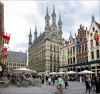
Culture and History tour in Leuven - Leuven and Luik
Leuven: Whatever you are looking for in a city, can be found in Leuven. A university city with a small-town feel, but completely in pace with a rapidl
Quick tours search
Tour Categories
Private Guide in Belgium

Mike
Private Guide in Brussels
40 years of tourism and hotel business experience. Private guide Mike is devoted to providing his guests with a memorable experience that exceeds all their expectations. Read more