


 French
 Spanish
 Russian
Mexico : Tours and Excursion
History & Origins
The Pyramid of Kukulkan was constructed by the Maya civilization as a temple dedicated to the feathered serpent deity Kukulkan, a deity associated with the planet Venus. The pyramid was built over an earlier structure, which was discovered during archaeological excavations. The construction techniques and materials used reflect the advanced engineering skills of the Maya.
The pyramid served as a ceremonial center and was used for religious rituals, including human sacrifices. It was also an important astronomical observatory, with its alignment to the equinoxes demonstrating the Maya's sophisticated understanding of celestial events.
The site was abandoned by the Maya around the 15th century and was later rediscovered by European explorers in the 19th century. Today, it is a UNESCO World Heritage Site and one of the most visited archaeological sites in Mexico.
Architecture & Features
The Pyramid of Kukulkan is a masterpiece of Maya architecture, featuring precise geometric proportions and intricate carvings. The pyramid is constructed from limestone blocks, which were quarried locally and transported to the site. The structure is adorned with sculptures of serpents and other mythological creatures, symbolizing the Maya's religious beliefs.
The pyramid's design incorporates various astronomical alignments, including the equinoxes and solstices. The four staircases each have 91 steps, which, when combined with the platform at the top, total 365 steps, representing the days of the solar year. The pyramid also features a series of acoustical effects, where clapping at the base of the pyramid produces an echo that resembles the chirping of a quetzal bird.
Legends & Facts
One of the most famous legends associated with the Pyramid of Kukulkan is the descent of the serpent during the equinoxes. According to Maya mythology, Kukulkan descends from the heavens to bless the earth during these times, and the pyramid's design creates the illusion of a serpent slithering down the staircase.
Another interesting fact is that the pyramid was built over an earlier structure, which was discovered during excavations in the 1930s. The earlier structure, known as the 'Inner Temple,' is smaller and less elaborate but provides valuable insights into the evolution of Maya architecture.
The pyramid's acoustical properties are also a subject of fascination. The echo produced by clapping at the base of the pyramid is believed to have been used in religious ceremonies to communicate with the gods.
Tourist Tips
Visitors to the Pyramid of Kukulkan should arrive early in the morning to avoid the crowds and the heat. The site is open from 8:00 AM to 5:00 PM, and guided tours are available for those who want to learn more about the history and architecture of the pyramid.
It is recommended to wear comfortable shoes and bring plenty of water, as the site is large and requires a lot of walking. Visitors should also be respectful of the site and avoid climbing the pyramid, as it is a protected archaeological monument.
Nearby
- Temple of the Warriors: A large temple complex featuring columns carved with warrior figures.
- Great Ball Court: The largest and best-preserved ball court in Mesoamerica, where the ancient Maya played a ritual ball game.
- Sacred Cenote: A natural sinkhole that was used for religious ceremonies and human sacrifices.
- Observatory: A circular structure believed to have been used by the Maya for astronomical observations.
- Platform of the Skulls: A platform adorned with carved skulls, symbolizing the Maya's practice of human sacrifice.
Practical FAQ for Travelers
What are the opening hours?
The site is open from 8:00 AM to 5:00 PM daily.
What is the best time to visit?
The best time to visit is early in the morning or late in the afternoon to avoid the heat and crowds.
How much does it cost to enter?
The entrance fee is approximately 500 Mexican Pesos (around 25 USD).
Is the site accessible for children?
Yes, the site is accessible for children, but parents should be mindful of the uneven terrain and the heat.
Are pets allowed?
Pets are not allowed at the archaeological site.
Is there a dress code?
There is no strict dress code, but visitors are advised to wear comfortable clothing and shoes suitable for walking.
Pyramid of Kukulkan: Private tours and Excursions.
-
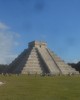
Culture and History tour in Cancun - Chichen Itza, Cenotes & Valladolid VIP Private 1 Day Tour
Experience One of the 7 Wonders of the world: Chichen Itza, Impressive Monument of 2 Great Cultures of America: Maya & Toltec. Admire the Magnifi
Quick tours search
Tour Categories
Travel Agency in Cuba

Stefano
Travel Agency in Havana
We are extremely professional! We won't simply drive you around as they will provide you all the information,tips and advices you may need during your holiday in Cuba Read more
Tour in United States

Private tour in New York
We will stop on our tour for pizza and at Roccos famous Italian bakery. See the brownstones, and sights where tv shows like Friends and Sex and The City were filmed. From Greenwich Village we head to the east village to visit Washington Square Park, New York University, and then make our way to Soho. Read more