


 French
 Spanish
 Russian
: Tours and Excursion
Attention!!! There are tours with discounts.
Revolution Square
Revolution Square is a historic public square in Bucharest, Romania, known for its significant role during the 1989 Romanian Revolution. The square is surrounded by important landmarks, including the former Royal Palace (now the National Museum of Art of Romania) and the Memorial of Rebirth, a monument dedicated to the victims of the revolution.
History & Origins
The square was originally named Palace Square (Piata Palatului) due to the Royal Palace's presence. It became a focal point during the 1989 revolution, where protests against the communist regime culminated in the overthrow of Nicolae Ceausescu. The square was renamed Revolution Square to commemorate these events.
The Royal Palace, built in the 19th century, was the residence of the Romanian monarchy until 1947. The building now houses the National Museum of Art of Romania, showcasing European and Romanian art collections.
The Memorial of Rebirth, unveiled in 2005, is a controversial monument due to its abstract design, which some argue fails to adequately represent the revolution's significance.
Architecture & Features
The square is characterized by its mix of architectural styles, from the neoclassical Royal Palace to the modern Memorial of Rebirth. The surrounding buildings reflect Bucharest's diverse history, with influences from French and Romanian design.
The square itself is paved with stone and features open spaces for public gatherings. It is a popular spot for both tourists and locals, offering a glimpse into Romania's turbulent past.
Legends & Facts
1. The balcony of the former Communist Party Headquarters, where Nicolae Ceausescu delivered his final speech, remains a poignant reminder of the revolution.
2. The square was the site of violent clashes between protesters and security forces during the revolution, with bullet marks still visible on some buildings.
3. The Memorial of Rebirth was designed by Alexandru Ghildu? and features a marble pillar symbolizing the rebirth of democracy in Romania.
Tourist Tips
Visit the National Museum of Art of Romania to explore its extensive art collections. Walk around the square to see the Memorial of Rebirth and the bullet-marked buildings. The square is easily accessible by public transport and is best visited during daylight hours.
Nearby
- National Museum of Art of Romania: Houses European and Romanian art collections.
- Athenaeum: A concert hall known for its stunning architecture.
- University Square: A historic square with significant cultural importance.
- Old Town: Bucharest's vibrant historic center with cafes and shops.
- Cismigiu Gardens: A beautiful park offering a peaceful retreat.
Practical FAQ for Travelers
Is there an entrance fee for Revolution Square?
No, the square is a public space and free to visit.
What is the best time to visit?
Early morning or late afternoon to avoid crowds.
How long should I spend here?
About 1-2 hours, including time to explore nearby landmarks.
Are there any dress code requirements?
No, but comfortable walking shoes are recommended.
Is the square accessible for wheelchair users?
Yes, the square is wheelchair accessible.
Can I take photos?
Yes, photography is allowed and encouraged.
Revolution Square: Private tours and Excursions. Hurry up and book a tour with a discount.
-
Private tour in Bucharest - Why Romania
Day 1 Bucharest - Sinaia· Arival at the International Airport Bucharest · Transfer to Sinaia ( 2 hours) ), through the beautiful Praho -
Special Offer!
Culture and History tour in Bucharest - 2025 The Romanian Rhapsody Private Tour - The Original
Hunedoara Last Judgement Whole Sighisoara 2025 Tour Itinerary: Day 1: Bucharest ArrivalArrival to Coanda International Airport in
Revolution Square: Tour Guides
-

Tour Guide in Bucharest - Eduard
My name is Eduard and I am a private guide.I am 44 years old and I live in Bucharest. I graduated from the University of Bucharest – The Faculty of
Quick tours search
Tour Categories
- Any tour category
- Adventure tour
- Arts and Crafts tour
- Boating and Sailing tour
- Children's tour
- Culture and History tour
- Diving tour
- Eco and Wildlife tour
- Excursion
- Expedition
- Fishing tour
- Gourmet & Cooking tour
- Hiking tour
- Hunting tour
- Jeep tour
- Private tour
- Railway trip
- Safari
- Shopping tour
- Sightseeing Nature tour
- Trekking tour
- Walking tour
- Wine tasting tour
Private Guide in Ethiopia

Yonas
Private Guide in Addis Ababa
I taught for seven years in different parts of the country. Then I decided to go to school to study tourism. There, I got what my real soul is and for what purpose am created for! Read more
Tour in Argentina
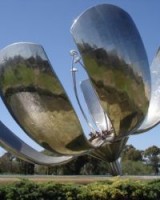
Culture and History tour in Buenos Aires
This is an extended version of the Buenos Aires' Highlights Tour! Read more