


 French
 Spanish
 Russian
: Tours and Excursion
Attention!!! There are tours with discounts.
Rongai route
The Rongai route is the only path to Kilimanjaro's summit that approaches from the north, near the Kenyan border. It is known for its remote, less-traveled trails and scenic diversity.
History & Origins
The Rongai route was traditionally used by hunters and traders from Kenya. It became a formal climbing route in the late 20th century as Kilimanjaro's popularity grew.
The route's name comes from the Rongai region in Kenya, where the trail begins. It offers a unique perspective of Kilimanjaro, differing from the southern routes.
Over time, the Rongai route has been developed to include better campsites and safety measures, making it accessible to a wider range of trekkers.
Architecture & Features
The Rongai route features gentle slopes initially, transitioning to steeper terrain near the summit. It passes through montane forests, moorlands, and alpine deserts.
Key highlights include the Mawenzi Tarn, a glacial lake, and the saddle between Mawenzi and Kibo peaks. The final ascent follows the Marangu Route's path to Uhuru Peak.
Legends & Facts
1. The Rongai route is sometimes called the 'Camel Route' due to its historical use by traders transporting goods.
2. Local lore suggests that the route's forests are home to ancient spirits protecting the mountain.
3. The Mawenzi Tarn is believed to have healing properties by some local communities.
Tourist Tips
The Rongai route is less crowded, offering a quieter experience. Acclimatization is crucial due to the steady altitude gain. The northern approach provides unique wildlife sightings.
Nearby
- Mount Meru: A scenic volcano in Tanzania.
- Amboseli National Park: Famous for its elephant herds and views of Kilimanjaro.
- Arusha: A bustling city near Kilimanjaro.
- Lake Chala: A crater lake on the Kenya-Tanzania border.
- Kilimanjaro National Park: The iconic mountain's protected area.
Practical FAQ for Travelers
What is the best time to climb the Rongai route?
The dry seasons (January-March and June-October) are optimal.
How long does the climb take?
Typically 6-7 days for proper acclimatization.
Is the route suitable for beginners?
Yes, it's one of the easier routes but still demanding.
What wildlife might I see?
Colobus monkeys, antelopes, and various bird species.
Are there water sources?
Limited; carry sufficient water or purification tablets.
Rongai route: Private tours and Excursions. Hurry up and book a tour with a discount.
-
Special Offer!
Hiking tour in Moshi - 6 Days 5 Nights Rongai Route
The Rongai route is the only route that approaches Kilimanjaro from the north, close to the Kenyan border. Though gaining popularity amongst cli -
Special Offer!
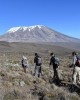
Hiking tour in Moshi - 7 Days 6 Nights Rongai Route
The Rongai route is the only route that approaches Kilimanjaro from the north, close to the Kenyan border. Though gaining popularity amongst cli
Quick tours search
Tour Categories
- Any tour category
- Adventure tour
- Arts and Crafts tour
- Boating and Sailing tour
- Children's tour
- Culture and History tour
- Diving tour
- Eco and Wildlife tour
- Excursion
- Expedition
- Fishing tour
- Gourmet & Cooking tour
- Hiking tour
- Hunting tour
- Jeep tour
- Private tour
- Railway trip
- Safari
- Shopping tour
- Sightseeing Nature tour
- Trekking tour
- Walking tour
- Wine tasting tour
Private Guide in China

Harris
Private Guide in Shanghai
Looking for the best guide to take you through the beautiful city of Shanghai? Harris is just the man you need! Read more
Tour in Kenya
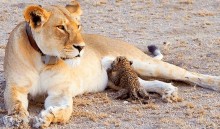
7-Day Explore Wildlife Samburu Great Rift Valley Lakes
Safari in Nairobi
Samburu National Reserve is situated about 350 kms north of Nairobi in the semi arid part of Kenya. Ewaso Nyiro River, bisects the reserve and the river is home to some of the biggest Reptiles in the region and attracts a good number of birds.
Read more