


 French
 Spanish
 Russian
: Tours and Excursion
Royal Delft, also known as Koninklijke Porceleyne Fles, is the last remaining Delftware factory from the 17th century still producing the iconic blue and white pottery. Established in 1653, it is renowned for its hand-painted ceramics, which have become synonymous with Dutch craftsmanship. The factory offers visitors a glimpse into the traditional methods of Delftware production, from clay preparation to painting and firing.
History & Origins
Royal Delft was founded during the Dutch Golden Age, a period when the Netherlands was a global leader in trade and art. The factory initially produced earthenware but later specialized in the distinctive blue and white pottery inspired by Chinese porcelain. The name 'Royal' was granted in 1919 by Queen Wilhelmina, recognizing the factory's cultural significance.
Over the centuries, Royal Delft has maintained its traditional techniques while also embracing modern innovations. The factory's products have been used by Dutch royalty and are prized by collectors worldwide.
Today, Royal Delft continues to produce hand-painted ceramics using the same methods that have been passed down through generations. The factory also houses a museum that showcases its history and a collection of antique Delftware.
Architecture & Features
The Royal Delft complex includes the original factory buildings, a museum, and a showroom. The museum features exhibits on the history of Delftware, including rare pieces from the 17th and 18th centuries. The showroom offers a wide range of products, from traditional vases to contemporary designs.
Visitors can watch artisans at work in the painting studio, where each piece is meticulously hand-painted using cobalt oxide. The factory also has a kiln room, where the pottery is fired at high temperatures to achieve its signature glaze.
Legends & Facts
One interesting fact is that the blue color of Delftware is achieved using cobalt oxide, which turns blue when fired. The exact shade can vary depending on the firing process.
Another notable detail is that Royal Delft has produced tiles for the Dutch royal family, including those used in the Royal Palace in Amsterdam.
The factory's most famous product is the 'Blue Heart' vase, which has become a symbol of Dutch heritage.
Tourist Tips
Visitors should start their tour at the museum to learn about the history of Delftware before watching the artisans at work. The showroom is the perfect place to purchase souvenirs, and the cafe offers a relaxing spot to enjoy a coffee.
Nearby
- Delft City Hall: A historic building in the heart of the city.
- Nieuwe Kerk: A Gothic church where members of the Dutch royal family are buried.
- Vermeer Centrum: A museum dedicated to the life and work of Johannes Vermeer.
- Markt: Delft's central square, surrounded by cafes and shops.
- Prinsenhof Museum: A museum housed in a former monastery, showcasing Delft's history.
Practical FAQ for Travelers
What are the opening hours?
Royal Delft is open daily from 9:00 AM to 5:00 PM.
Is there an entrance fee?
Yes, tickets are required for the museum and factory tour.
What is the best time to visit?
Weekdays are less crowded, and mornings are ideal for watching the artisans at work.
Are guided tours available?
Yes, guided tours can be booked in advance and provide in-depth insights into the production process.
Is the site accessible for wheelchair users?
Yes, the museum and showroom are fully accessible.
Are pets allowed?
Pets are not permitted inside the factory or museum.
Royal Delft: Private tours and Excursions.
-
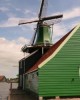
Private tour in Brussels - Amsterdam - Kinderdijk - Delft - Netherlands
Amsterdam - Kinderdijk - Delft - Pays-Bas 1 full day excursion (12/14h.) up to 4 px. 700.00 Euros Additional days on request This full day tour will
Quick tours search
Tour Categories
- Any tour category
- Adventure tour
- Arts and Crafts tour
- Boating and Sailing tour
- Children's tour
- Culture and History tour
- Diving tour
- Eco and Wildlife tour
- Excursion
- Expedition
- Fishing tour
- Gourmet & Cooking tour
- Hiking tour
- Hunting tour
- Jeep tour
- Private tour
- Railway trip
- Safari
- Shopping tour
- Sightseeing Nature tour
- Trekking tour
- Walking tour
- Wine tasting tour
Private Guide in Ethiopia

Yonas
Private Guide in Addis Ababa
I taught for seven years in different parts of the country. Then I decided to go to school to study tourism. There, I got what my real soul is and for what purpose am created for! Read more
Tour in New Zealand

Private tour in Auckland
Looking forward to have some great time on the beach? Want to discover the fruitful wine industry of the Auckland area? Well, with this private tour in Auckland you will enjoy both these great activities during a single day! Read more