


 French
 Spanish
 Russian
: Tours and Excursion
Samburu National Reserve
Samburu National Reserve is a wildlife haven located in northern Kenya, known for its unique and diverse ecosystem. The reserve is home to rare species such as the Grevy's zebra, Somali ostrich, and reticulated giraffe, which are not commonly found in other Kenyan parks. The Ewaso Ng'iro River flows through the reserve, providing a lifeline for the animals and creating a lush environment amidst the arid landscape.
History & Origins
Established in 1985, Samburu National Reserve was created to protect the wildlife and habitats of the Samburu region. The area has been inhabited by the Samburu people, a semi-nomadic tribe closely related to the Maasai, for centuries. The reserve's establishment marked a significant step in Kenya's conservation efforts, ensuring the preservation of its unique flora and fauna.
Architecture & Features
The reserve's landscape is characterized by rugged terrain, acacia forests, and open savannahs. The Ewaso Ng'iro River is a central feature, attracting a variety of wildlife, including elephants, lions, and crocodiles. The reserve's lodges and camps are designed to blend seamlessly with the natural environment, offering visitors a comfortable yet authentic safari experience.
Legends & Facts
One of the most fascinating aspects of Samburu National Reserve is its role in the conservation of the endangered Grevy's zebra. The reserve is one of the few places in Kenya where these zebras can be seen in the wild. Additionally, the Samburu people have a rich cultural heritage, and their traditional practices of coexisting with wildlife have contributed to the reserve's success as a conservation area.
Tourist Tips
Visitors to Samburu National Reserve should plan their trip during the dry season (June to October) for the best wildlife viewing opportunities. Game drives are the primary activity, and early morning or late afternoon drives offer the best chances of spotting predators and other animals. The reserve's lodges and camps provide guided walks and cultural visits to Samburu villages, offering a deeper understanding of the local culture.
Nearby
- Buffalo Springs National Reserve: A neighboring reserve known for its hot springs and diverse wildlife.
- Shaba National Reserve: Famous for its rugged landscapes and the setting for the movie 'Born Free'.
- Mount Kenya: Africa's second-highest peak, offering hiking and climbing opportunities.
- Ol Pejeta Conservancy: A sanctuary for endangered species, including the northern white rhino.
- Lewa Wildlife Conservancy: A private conservancy known for its conservation efforts and luxury lodges.
Practical FAQ for Travelers
What is the best time to visit Samburu National Reserve?
The best time to visit is during the dry season, from June to October, when wildlife is more concentrated around water sources.
How much does it cost to enter the reserve?
Entry fees are approximately $70 USD per adult per day, with discounts for children and Kenyan residents.
Are there accommodations within the reserve?
Yes, there are several lodges and camps offering a range of accommodations from luxury to budget options.
Is it safe to visit Samburu National Reserve?
Yes, the reserve is safe for visitors, but it is recommended to follow the guidelines provided by your lodge or tour operator.
Can I visit Samburu villages?
Yes, many lodges offer cultural visits to Samburu villages, providing insights into their traditional way of life.
What should I wear during my visit?
Light, neutral-colored clothing is recommended, along with sturdy walking shoes and a hat for sun protection.
Samburu National Reserve: Private tours and Excursions.
-
Safari in Nairobi - 10-Day Discover Africa Wildlife Samburu Masai Mara Lake Nakuru Amboseli Park adventure
Day 1: Nairobi-Samburu National ReserveYou will arrive at the airport where you will be picked up by the company’s representative. You will be g -
Safari in Nairobi - 13 Days Samburu Ol pejeta Lake Naivasha Masai Mara Amboseli Tsavo East Adventure Safaris
Day 1: Nairobi-Samburu National ReserveYou will arrive at the airport where you will be picked up by the company’s representative. You will be g -
Safari in Nairobi - 14-Day Explore Africa Wildlife Samburu Masai Mara Lake Nakuru Mombasa Beach Holiday
Day 1: Nairobi-Samburu National Reserve You will arrive at the airport where you will be picked up by the company’s representative. You will be -
Safari in Nairobi - 7-Day Explore Wildlife Samburu Great Rift Valley Lakes
Day 1: Nairobi- Drive To Samburu National ReserveMorning breakfast , thereafter you will be drive north past the equator to the northern frontier dist
Quick tours search
Tour Categories
- Any tour category
- Adventure tour
- Arts and Crafts tour
- Boating and Sailing tour
- Children's tour
- Culture and History tour
- Diving tour
- Eco and Wildlife tour
- Excursion
- Expedition
- Fishing tour
- Gourmet & Cooking tour
- Hiking tour
- Hunting tour
- Jeep tour
- Private tour
- Railway trip
- Safari
- Shopping tour
- Sightseeing Nature tour
- Trekking tour
- Walking tour
- Wine tasting tour
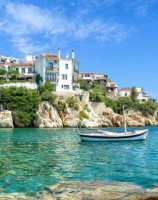
Private Guide in Greece
Angelo
Private Guide in Katerini
I can make your hiking, beach bar hopping and educational experience one of a kind! You will learn everything you ever wondered about this beautiful country. Read more
Tour in India
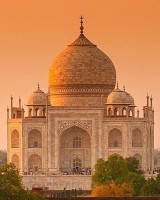
Private tour in Jaipur
Morning visit the world famous beautiful Taj Mahal built by the Moghul Emperor Shahjehan in 1630 for his beloved Queen Mumtaz Mahal to enshrine her mortal remains. Taj Mahal was built in 20 years and over 20,000 worker had worked in constructing it. Read more