


 French
 Spanish
 Russian
: Tours and Excursion
Attention!!! There are tours with discounts.
Slave Port
The Slave Port is a historical site that played a significant role in the transatlantic slave trade. The port was a major hub for the transportation of enslaved people during the 18th and 19th centuries. Today, it serves as a memorial and educational site.
History & Origins
The port was established in the early 18th century as part of the colonial trade network. It became a key location for the shipment of enslaved people to the Americas. The port's infrastructure included docks, warehouses, and holding cells.
After the abolition of the slave trade, the port was repurposed for other commercial activities. In the 20th century, it was recognized as a historical site and preserved for its educational value.
Architecture & Features
The port features remnants of the original docks and warehouses. The holding cells have been restored to their original condition. A memorial plaque honors the victims of the slave trade.
Legends & Facts
One legend tells of a ship that sank while transporting enslaved people, with their spirits said to haunt the port. Historical records indicate that over 10,000 people passed through the port during its operation.
Tourist Tips
Visitors should start at the memorial plaque and then explore the docks and holding cells. The nearby museum provides additional context and exhibits.
Nearby
- Memorial Park - A peaceful green space dedicated to the victims of the slave trade.
- City Museum - A museum with exhibits on local history and culture.
- Waterfront - A scenic area with views of the harbor.
- Market Square - A bustling area with shops and cafes.
- Old Town - A historic district with charming streets and buildings.
Practical FAQ for Travelers
What are the opening hours?
The port is open from 10 AM to 4 PM daily.
Is there an entrance fee?
No, entrance is free.
What is the best time to visit?
Mid-morning or early afternoon for guided tours.
Are pets allowed?
No, pets are not allowed on the site.
Is the site accessible for wheelchair users?
Yes, the site is fully accessible.
Slave Port: Private tours and Excursions. Hurry up and book a tour with a discount.
-
Special Offer!

Culture and History tour in Bagamoyo - BAGAMOYO TOWN TOUR
The Bagamoyo Town Tour is a one-day excursion to the historic district of Bagamoyo, where the ruins meet the beach. It is the former German capital in
Quick tours search
Tour Categories
- Any tour category
- Adventure tour
- Arts and Crafts tour
- Boating and Sailing tour
- Children's tour
- Culture and History tour
- Diving tour
- Eco and Wildlife tour
- Excursion
- Expedition
- Fishing tour
- Gourmet & Cooking tour
- Hiking tour
- Hunting tour
- Jeep tour
- Private tour
- Railway trip
- Safari
- Shopping tour
- Sightseeing Nature tour
- Trekking tour
- Walking tour
- Wine tasting tour
Private Guide in Morocco

Mustapha
Private Guide in Marrakech
My name is Mustapha. I am your guide and will support you during the tour. I promise you are going to enjoy your stay here in Morocco. This is a beautiful, quiet country where ... Read more
Tour in New Zealand
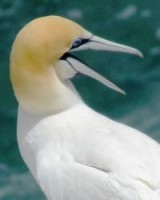
Private tour in Auckland
Looking forward to have some great time on the beach? Want to discover the fruitful wine industry of the Auckland area? Well, with this private tour in Auckland you will enjoy both these great activities during a single day! Read more