


 French
 Spanish
 Russian
: Tours and Excursion
Attention!!! There are tours with discounts.
Changdeokgung Palace, also known as Changdeokgung Palace Complex, is a UNESCO World Heritage Site and one of the 'Five Grand Palaces' built during the Joseon Dynasty. It is renowned for its harmonious integration with the natural landscape, particularly the Huwon Secret Garden. The palace served as a secondary palace for many kings and is a prime example of Korean palace architecture.
History & Origins
Constructed in 1405 during the reign of King Taejong, Changdeokgung was designed to complement the nearby Gyeongbokgung Palace. It became the primary royal residence after Gyeongbokgung was destroyed during the Japanese invasions of 1592-1598. The palace was meticulously restored in the 17th century and remains a symbol of Korean cultural heritage.
Architecture & Features
The palace features a unique layout that follows the natural topography of the land, unlike the more rigid symmetry of Gyeongbokgung. Key structures include the Injeongjeon Hall (throne hall), Seonjeongjeon Hall (royal office), and the Huwon Secret Garden, which spans 78 acres and includes pavilions, ponds, and lush greenery.
Legends & Facts
1. The Huwon Secret Garden was reserved for the royal family and their guests, and even high-ranking officials were forbidden from entering without permission. 2. The palace survived multiple invasions and fires, thanks to its strategic design and restoration efforts. 3. The name 'Changdeokgung' translates to 'Palace of Prospering Virtue,' reflecting its philosophical underpinnings.
Tourist Tips
Visit early in the morning to avoid crowds and join a guided tour to fully appreciate the palace's history and architecture. The Huwon Secret Garden requires a separate ticket and guided tour, so plan accordingly.
Nearby
- Gyeongbokgung Palace: The largest and most iconic of the Five Grand Palaces.
- Bukchon Hanok Village: A traditional Korean village with well-preserved hanok houses.
- Insadong: A cultural street known for its antique shops and tea houses.
- Jogyesa Temple: The chief temple of the Jogye Order of Korean Buddhism.
- Cheonggyecheon Stream: A modern urban renewal project with a scenic walking path.
Practical FAQ for Travelers
How do I get tickets?
Tickets can be purchased at the entrance or online. A private guide can help you skip the lines and provide deeper insights.
What's the best time to visit?
Spring and autumn offer mild weather and beautiful foliage, especially in the Huwon Secret Garden.
How long should I spend here?
Plan for at least 2-3 hours, or longer if you include the Huwon Secret Garden.
Is photography allowed?
Yes, but tripods and professional equipment may require special permission.
Why should I hire a private guide?
A private guide can offer personalized tours, historical context, and access to lesser-known areas of the palace.
Changdeokgung Palace: Private tours and Excursions. Hurry up and book a tour with a discount.
-
Special Offer!
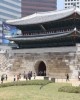
Private tour in Incheon - Multiple-Day Customized Private tour in Seoul 1-40 pax.
1. Tours Introduction : * Seoul sightseeing Seoul is the capital of Korea with over 600 years of history. It is the heart of Korea's culture and edu
Quick tours search
Tour Categories
- Any tour category
- Adventure tour
- Arts and Crafts tour
- Boating and Sailing tour
- Children's tour
- Culture and History tour
- Diving tour
- Eco and Wildlife tour
- Excursion
- Expedition
- Fishing tour
- Gourmet & Cooking tour
- Hiking tour
- Hunting tour
- Jeep tour
- Private tour
- Railway trip
- Safari
- Shopping tour
- Sightseeing Nature tour
- Trekking tour
- Walking tour
- Wine tasting tour
Travel Agency in Cuba
Stefano
Travel Agency in Havana
We are extremely professional! We won't simply drive you around as they will provide you all the information,tips and advices you may need during your holiday in Cuba Read more
Tour in United States
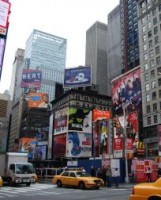
Private tour in New York
We will stop on our tour for pizza and at Roccos famous Italian bakery. See the brownstones, and sights where tv shows like Friends and Sex and The City were filmed. From Greenwich Village we head to the east village to visit Washington Square Park, New York University, and then make our way to Soho. Read more