


 French
 Spanish
 Russian
: Tours and Excursion
Attention!!! There are tours with discounts.
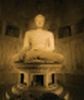
Seokguram Grotto, located in Gyeongju, South Korea, is a UNESCO World Heritage site and one of the most famous Buddhist temples in the country. The grotto is renowned for its exquisite stone carvings and the serene atmosphere it offers. The main attraction is the large stone Buddha statue, which is considered a masterpiece of Buddhist art.
History & Origins
Seokguram Grotto was constructed during the 8th century under the Silla Dynasty (57 BC - 935 AD). It was built by Kim Daeseong, a prime minister of the Silla Kingdom, as a part of a larger temple complex. The grotto was designed to represent the spiritual journey to enlightenment, with the Buddha statue symbolizing the ultimate goal of Buddhist practice.
Architecture & Features
The grotto is built from granite and features a domed ceiling that creates a natural echo, enhancing the spiritual atmosphere. The main Buddha statue is carved from a single block of granite and is surrounded by intricate carvings of Bodhisattvas and disciples. The grotto's design reflects the advanced engineering and artistic skills of the Silla Dynasty.
Legends & Facts
One of the most fascinating facts about Seokguram Grotto is that it was built to align with the stars, specifically the constellation Ursa Major. This alignment is believed to enhance the spiritual energy of the site. Another interesting fact is that the grotto was rediscovered in the early 20th century after being hidden for centuries, and it has since become a major pilgrimage site for Buddhists.
Tourist Tips
When visiting Seokguram Grotto, it is recommended to arrive early in the morning to avoid crowds and to fully appreciate the serene atmosphere. The grotto is located on Mount Toham, so visitors should be prepared for a short hike. It is also advisable to bring water and wear comfortable shoes. A private guide can provide valuable insights into the history and significance of the grotto.
Nearby
- Bulguksa Temple: A historic Buddhist temple known for its beautiful architecture and serene surroundings.
- Gyeongju National Museum: A museum showcasing artifacts from the Silla Dynasty.
- Cheomseongdae Observatory: An ancient astronomical observatory located in Gyeongju.
- Anapji Pond: A historic pond surrounded by beautiful gardens and pavilions.
- Gyeongju Historic Areas: A collection of historic sites and monuments from the Silla Dynasty.
Practical FAQ for Travelers
How do I get tickets to Seokguram Grotto?
Tickets can be purchased at the entrance of the grotto. Discounts are available for groups and students.
What is the best time to visit Seokguram Grotto?
The best time to visit is early in the morning to avoid crowds and to fully appreciate the serene atmosphere.
How long should I spend at Seokguram Grotto?
Plan to spend at least 1-2 hours exploring the grotto and its surroundings.
Are there any photo restrictions in Seokguram Grotto?
Photography is allowed, but flash photography is prohibited to preserve the integrity of the stone carvings.
Is Seokguram Grotto accessible for kids and pets?
The grotto is family-friendly, but pets are not allowed inside the site.
Why is a private guide superior here?
A private guide can provide in-depth knowledge about the grotto's history and spiritual significance, enhancing your overall experience.
Seokguram Grotto: Private tours and Excursions. Hurry up and book a tour with a discount.
-
Special Offer!
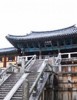
Private tour in Pusan - 1 Day Private trip Gyeong Ju UNESCO sightseeing 1- 40 pax
1. Tours Introduction : * Gyeong Ju UNESCO World Heritage. Let's explore this amazing Ancient city together! If you're into ancient cultures -
Special Offer!

Private tour in Pusan - 3-Days 2-Nights Gyeongju + Andong + Hapcheon UNESCO heritage 1-40 pax.
1. Tours Introduction : * Gyeongju UNESCO heritage Gyeongju is now referred to as "the museum without walls" and is one of the most popular to -
Special Offer!
Private tour in Pusan - Cruise passenger
SHORE EXCURSION IN BUSAN" is the best solution for CRUISE PASSENGERS who have to visit all the most important landmarks of Pusan (Busan) + Gyeong Ju U
Quick tours search
Tour Categories
- Any tour category
- Adventure tour
- Arts and Crafts tour
- Boating and Sailing tour
- Children's tour
- Culture and History tour
- Diving tour
- Eco and Wildlife tour
- Excursion
- Expedition
- Fishing tour
- Gourmet & Cooking tour
- Hiking tour
- Hunting tour
- Jeep tour
- Private tour
- Railway trip
- Safari
- Shopping tour
- Sightseeing Nature tour
- Trekking tour
- Walking tour
- Wine tasting tour
Private Guide in Ethiopia

Yonas
Private Guide in Addis Ababa
I taught for seven years in different parts of the country. Then I decided to go to school to study tourism. There, I got what my real soul is and for what purpose am created for! Read more
Tour in Argentina
Culture and History tour in Buenos Aires
This is an extended version of the Buenos Aires' Highlights Tour! Read more