


 French
 Spanish
 Russian
Belgium : Tours and Excursion
Spanbroekmolen
Spanbroekmolen is a World War I memorial site in Belgium, known for the 'Pool of Peace,' a large crater formed by a mine explosion during the Battle of Messines in 1917. The site is a serene reminder of the war's devastation, now filled with water and surrounded by greenery.
History & Origins
The Spanbroekmolen mine was one of 19 detonated by the British on June 7, 1917, marking the start of the Battle of Messines. The explosion created a crater 250 feet wide and 40 feet deep, which later filled with water, earning it the name 'Pool of Peace.'
The site was a strategic point during the war, with both sides suffering heavy losses. Today, it stands as a memorial to the soldiers who fought and died here.
Architecture & Features
The Pool of Peace is the central feature of Spanbroekmolen, a tranquil body of water surrounded by a circular path. A small memorial cross stands nearby, commemorating the events of 1917.
Legends & Facts
The Spanbroekmolen mine was the largest of the 19 detonated during the Battle of Messines, creating one of the loudest man-made explosions in history at the time. The blast was heard as far away as London.
Tourist Tips
The site is best visited on foot, with a circular path around the crater offering peaceful views. Informational plaques provide historical context.
Nearby
- Messines Ridge: A key battlefield during World War I.
- Island of Ireland Peace Park: A memorial to Irish soldiers who fought in the war.
- Ploegsteert Wood: A site with preserved trenches and memorials.
- Ypres: A historic city with numerous World War I memorials.
- Tyne Cot Cemetery: The largest Commonwealth war cemetery in the world.
Practical FAQ for Travelers
Is there an entrance fee?
No, the site is open to the public free of charge.
What is the best time to visit?
Spring and autumn offer mild weather and fewer crowds.
How long should I plan to spend here?
Allow at least 1 hour to explore the site.
Are there guided tours available?
Self-guided exploration is recommended, with informational plaques providing context.
Is the site accessible for children?
Yes, but supervision is advised due to uneven terrain.
Spanbroekmolen: Private tours and Excursions.
-
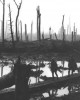
Private tour in Dinant - The Ypres Salient (World War I)
Intro The Ypres Salient is the area around Ypres in Belgium which was the scene of some of the biggest battles in World War I. In military terms, a
Quick tours search
Tour Categories
Private Guide in Belgium

Mike
Private Guide in Brussels
40 years of tourism and hotel business experience. Private guide Mike is devoted to providing his guests with a memorable experience that exceeds all their expectations. Read more