


 French
 Spanish
 Russian
: Tours and Excursion
History & Origins
The Alabaster Sphinx was discovered in 1912 by archaeologists excavating the ancient city of Memphis. Memphis was the capital of Egypt during the Old Kingdom and remained an important religious and administrative center throughout Egyptian history. The sphinx is thought to have been created during the reign of Amenhotep II (1427–1401 BCE), a pharaoh known for his military campaigns and building projects.
The statue was likely part of a larger temple complex dedicated to the god Ptah, the patron deity of Memphis. Ptah was associated with creation and craftsmanship, making the sphinx a fitting tribute to his divine attributes. The sphinx's presence in Memphis underscores the city's significance as a cultural and religious hub in ancient Egypt.
Over the centuries, the sphinx was buried under layers of sand and debris, which helped preserve its intricate details. Its rediscovery in the early 20th century provided valuable insights into the artistry and religious practices of the New Kingdom period.
Architecture & Features
The Alabaster Sphinx is carved from a single block of alabaster, a soft, translucent stone that was highly valued in ancient Egypt. The statue depicts a sphinx, a mythical creature with the body of a lion and the head of a human. The human head is believed to represent Pharaoh Amenhotep II, symbolizing his divine authority and connection to the gods.
The sphinx's facial features are finely detailed, with almond-shaped eyes, a straight nose, and a serene expression. The lion's body is muscular and powerful, with carefully carved paws and a tail that curls around its hind leg. The statue's surface is smooth and polished, showcasing the skill of ancient Egyptian artisans.
The sphinx's size and material make it a unique example of ancient Egyptian sculpture. Alabaster was often used for smaller statues and vessels, but the Alabaster Sphinx is one of the largest known alabaster statues from ancient Egypt.
Legends & Facts
One legend associated with the Alabaster Sphinx suggests that it was created to guard the entrance to a hidden temple or tomb. While no such structure has been found, the sphinx's imposing presence lends credence to this idea.
Another interesting fact is that the sphinx was originally painted, with traces of pigment still visible on its surface. The colors would have enhanced the statue's lifelike appearance and added to its symbolic significance.
The sphinx's discovery in Memphis has also shed light on the city's role as a center of worship and administration. Memphis was home to numerous temples, palaces, and workshops, making it a hub of artistic and religious activity.
Tourist Tips
Visitors to the Alabaster Sphinx should take time to explore the surrounding area, which includes the ruins of ancient Memphis and the nearby Saqqara necropolis. The sphinx is located in an open-air museum, making it easily accessible to tourists.
Photography is allowed, but visitors should be respectful of the site and avoid touching the statue. Guided tours are available, but the sphinx can also be explored independently.
Nearby
- Saqqara Necropolis: A vast burial ground featuring the Step Pyramid of Djoser, the oldest stone pyramid in Egypt.
- Memphis Open-Air Museum: A collection of statues, stelae, and other artifacts from ancient Memphis.
- Mit Rahina Museum: A small museum showcasing artifacts from the ancient city of Memphis.
- Colossus of Ramses II: A massive statue of Pharaoh Ramses II, located in Memphis.
- Ptah Temple: The ruins of a temple dedicated to the god Ptah, the patron deity of Memphis.
Practical FAQ for Travelers
What are the opening hours?
The site is open daily from 8:00 AM to 5:00 PM.
Is there an entrance fee?
Yes, the entrance fee is 100 EGP (approximately 5 USD).
What is the best time to visit?
Early morning or late afternoon is ideal to avoid the heat and crowds.
Are there facilities for children?
The site is family-friendly, but there are no specific facilities for children.
Is the site accessible for people with disabilities?
The site is partially accessible, but some areas may be difficult to navigate.
Alabaster Sphinx: Private tours and Excursions.
-
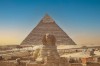
Excursion in Cairo - Giza tour program (Giza Pyramids,Memphis And Sakkara)
When in Egypt, the first thing people want to see are the Great Pyramid of Giza. Without any doubt, this is the most attractive spot in the country
Quick tours search
Tour Categories
- Any tour category
- Adventure tour
- Arts and Crafts tour
- Boating and Sailing tour
- Children's tour
- Culture and History tour
- Diving tour
- Eco and Wildlife tour
- Excursion
- Expedition
- Fishing tour
- Gourmet & Cooking tour
- Hiking tour
- Hunting tour
- Jeep tour
- Private tour
- Railway trip
- Safari
- Shopping tour
- Sightseeing Nature tour
- Trekking tour
- Walking tour
- Wine tasting tour
Travel Agency in Cuba

Stefano
Travel Agency in Havana
We are extremely professional! We won't simply drive you around as they will provide you all the information,tips and advices you may need during your holiday in Cuba Read more
Tour in Kenya

7-Day Explore Wildlife Samburu Great Rift Valley Lakes
Safari in Nairobi
Samburu National Reserve is situated about 350 kms north of Nairobi in the semi arid part of Kenya. Ewaso Nyiro River, bisects the reserve and the river is home to some of the biggest Reptiles in the region and attracts a good number of birds.
Read more