


 French
 Spanish
 Russian
Greece : Tours and Excursion
Attention!!! There are tours with discounts.
Temple of Epicurean Apollo
The Temple of Epicurean Apollo is a well-preserved ancient Greek temple located in Bassae, Greece. Built in the mid-5th century BCE, it is dedicated to Apollo Epikourios ('Apollo the Helper'). The temple is renowned for its unique architectural features, including a combination of Doric, Ionic, and Corinthian orders. It was designed by the architect Iktinos, who also worked on the Parthenon in Athens.
History & Origins
The temple was constructed around 420-400 BCE by the citizens of Phigaleia as a tribute to Apollo for saving them from a plague. Its remote location in the Arcadian mountains contributed to its preservation over the centuries. The temple was rediscovered in the 18th century and later excavated by European archaeologists.
The Temple of Epicurean Apollo is one of the earliest examples of the Corinthian order, with a single column inside the cella featuring this style. Its orientation is unusual, facing north-south rather than the traditional east-west alignment of Greek temples.
Architecture & Features
The temple measures 38.3 by 14.5 meters and is constructed primarily from local grey limestone. It features a peristyle of 6 by 15 Doric columns, with Ionic columns lining the interior. The most striking feature is the single Corinthian column at the center of the cella, considered one of the earliest uses of this order.
The frieze from the temple, depicting battles between Greeks and Amazons, was removed in the 19th century and is now displayed at the British Museum in London. The temple's roof was originally covered with marble tiles, some of which have been reconstructed.
Practical FAQ for Travelers
When is the best time to visit?
Spring and autumn offer pleasant temperatures for visiting the temple, with fewer crowds than summer months.
Are there entrance fees?
Yes, there is a small admission fee to access the archaeological site.
How much time should I allocate?
Plan for about 1-2 hours to fully appreciate the temple and surrounding area.
Is photography allowed?
Yes, photography is permitted, but tripods may require special permission.
Is the site accessible for visitors with mobility issues?
The uneven terrain may present challenges for wheelchair users.
Temple of Epicurean Apollo: Private tours and Excursions. Hurry up and book a tour with a discount.
-
Special Offer!
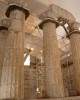
Private tour in Athens - Day tour to Ancient Olympia,Kaiadas,Temple of Apollo,Ancient Sparta and Mycenae
**This tour Starts from Athens** **The Final prices Are per group not per person** Are you ready for this amazing tour? In this amazing full day -
Special Offer!
Private tour in Athens - Full Day Private Tour to Ancient Olympia and the Temple of Epicurean Apollo
In this amazing full day tour you will see the most beautiful sights and scenery. On our way I will give you a lot of information about history, mytho
Quick tours search
Tour Categories
Private Guide in Greece

Angelo
Private Guide in Katerini
I can make your hiking, beach bar hopping and educational experience one of a kind! You will learn everything you ever wondered about this beautiful country. Read more