


 French
 Spanish
 Russian
Mexico : Tours and Excursion
Templo Mayor
The Templo Mayor is an archaeological site in Mexico City that was once the main temple of the Aztec capital of Tenochtitlan. It was dedicated to the gods Huitzilopochtli and Tlaloc and served as the religious and political center of the Aztec Empire. The temple was constructed in several phases, with each new layer built over the previous one, reflecting the Aztec belief in cyclical renewal.
History & Origins
The Templo Mayor was built in the 14th century and expanded over the years until its destruction by the Spanish conquistadors in 1521. The temple was a focal point of Aztec religious life, where ceremonies, including human sacrifices, were conducted. The site was rediscovered in the 20th century during excavations in Mexico City, revealing layers of history and artifacts that provide insight into Aztec culture.
Architecture & Features
The temple was a massive structure with twin staircases leading to two shrines at the top, one dedicated to Huitzilopochtli, the god of war, and the other to Tlaloc, the god of rain. The temple was adorned with intricate carvings and sculptures, many of which have been preserved and are now displayed in the on-site museum.
Legends & Facts
According to legend, the Aztecs were guided to the site of Tenochtitlan by a vision of an eagle perched on a cactus, which is now the symbol of Mexico. The Templo Mayor was believed to be the center of the universe in Aztec cosmology, connecting the earthly realm with the heavens and the underworld.
Tourist Tips
Visitors should start at the museum to gain context before exploring the ruins. The site is best visited early in the morning to avoid crowds and the midday heat. Comfortable walking shoes are recommended as the terrain can be uneven.
Nearby
- Zocalo: The main square of Mexico City, a short walk from the Templo Mayor.
- Metropolitan Cathedral: A stunning example of colonial architecture located nearby.
- National Palace: Home to Diego Rivera's famous murals depicting Mexican history.
- Palace of Fine Arts: A cultural hub with art exhibitions and performances.
- Alameda Central: A historic park perfect for a leisurely stroll.
Practical FAQ for Travelers
What are the opening hours?
The Templo Mayor is open from Tuesday to Sunday, 9:00 AM to 5:00 PM.
What is the best time to visit?
Early morning or late afternoon to avoid crowds and heat.
How long does a visit take?
Plan for at least 2 hours to explore the site and museum.
Are photos allowed?
Yes, photography is permitted, but flash is not allowed inside the museum.
Is the site accessible for children?
Yes, but supervision is recommended due to uneven terrain.
Is there a dress code?
No specific dress code, but comfortable clothing and shoes are advised.
Templo Mayor: Private tours and Excursions.
-
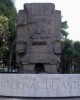
Private tour in Mexico City - Mexico City a la carte
This private tour in Mexico is focused on its beautiful capital – Mexico City. If you are eager learn more about the Mexican culture, traditions
Quick tours search
Tour Categories
Travel Agency in Cuba
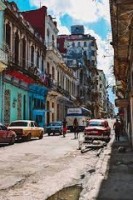
Stefano
Travel Agency in Havana
We are extremely professional! We won't simply drive you around as they will provide you all the information,tips and advices you may need during your holiday in Cuba Read more
Tour in United States

Private tour in New York
We will stop on our tour for pizza and at Roccos famous Italian bakery. See the brownstones, and sights where tv shows like Friends and Sex and The City were filmed. From Greenwich Village we head to the east village to visit Washington Square Park, New York University, and then make our way to Soho. Read more