


 French
 Spanish
 Russian
: Tours and Excursion
History & Origins
The Bolshoi Theatre's origins trace back to 1776 when Prince Pyotr Urusov received a government privilege to organize theatrical performances. The first permanent theatre building was constructed in 1780 but was destroyed by fire in 1805. The current building, designed by Joseph Bovй, opened in 1825 and has since become a symbol of Russian culture.
During the Soviet era, the Bolshoi Theatre continued to thrive, premiering many iconic ballets and operas. The theatre underwent extensive renovations from 2005 to 2011, restoring its historical grandeur while modernizing its technical facilities.
Architecture & Features
The Bolshoi Theatre's architecture is a blend of neoclassical and Russian Empire styles. The facade features eight columns supporting a portico crowned by the Apollo quadriga. The interior is adorned with gold leaf, red velvet, and crystal chandeliers, creating an opulent atmosphere.
The auditorium is horseshoe-shaped, with excellent acoustics and sightlines. The stage is one of the largest in the world, equipped with advanced machinery for elaborate productions.
Practical FAQ for Travelers
How can I buy tickets?
Tickets can be purchased online through the official Bolshoi Theatre website or at the box office. It is advisable to book in advance, especially for popular performances.
What is the best time to visit?
The Bolshoi Theatre operates year-round, but the best time to visit is during the ballet and opera season, which runs from September to June.
Are there guided tours?
The Bolshoi Theatre offers guided tours that provide insights into its history, architecture, and behind-the-scenes operations. Tours must be booked in advance.
Is photography allowed?
Photography is generally not allowed during performances, but it is permitted during guided tours and in designated areas.
Is the theatre accessible for people with disabilities?
The Bolshoi Theatre is equipped with facilities for people with disabilities, including wheelchair access and special seating arrangements.
Bolshoi Theatre: Private tours and Excursions.
-
Private tour in Moscow - 1-day Combo Moscow Tour
This tour is a perfect combination of the must-sees in Moscow - Red Square, The Bolshoi, KGB building, Christ the Savior Cathedral, Moscow metro and t
Quick tours search
Tour Categories
- Any tour category
- Adventure tour
- Arts and Crafts tour
- Boating and Sailing tour
- Children's tour
- Culture and History tour
- Diving tour
- Eco and Wildlife tour
- Excursion
- Expedition
- Fishing tour
- Gourmet & Cooking tour
- Hiking tour
- Hunting tour
- Jeep tour
- Private tour
- Railway trip
- Safari
- Shopping tour
- Sightseeing Nature tour
- Trekking tour
- Walking tour
- Wine tasting tour
Private Guide in Ethiopia

Yonas
Private Guide in Addis Ababa
I taught for seven years in different parts of the country. Then I decided to go to school to study tourism. There, I got what my real soul is and for what purpose am created for! Read more
Tour in India
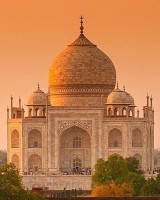
Private tour in Jaipur
Morning visit the world famous beautiful Taj Mahal built by the Moghul Emperor Shahjehan in 1630 for his beloved Queen Mumtaz Mahal to enshrine her mortal remains. Taj Mahal was built in 20 years and over 20,000 worker had worked in constructing it. Read more