


 French
 Spanish
 Russian
Spain : Tours and Excursion
History & Origins
The Cathedral of Santa Maria of Palma was commissioned by King James I of Aragon in 1229, following the Christian conquest of Majorca. The construction began in 1230 and continued for over 300 years, with various architects contributing to its design. The cathedral was consecrated in 1601, although some parts were still unfinished.
Throughout its history, the cathedral has undergone several renovations and restorations, most notably in the 19th century under the direction of architect Antoni Gaudн. Gaudн's contributions include the redesign of the choir stalls and the addition of modernist elements to the interior.
Architecture & Features
The cathedral's architecture is a prime example of Gothic style, characterized by its pointed arches, ribbed vaults, and flying buttresses. The nave, which is one of the tallest in Europe, is supported by slender columns that create a sense of verticality and lightness.
The rose window, known as the 'Gothic Eye', is one of the cathedral's most iconic features. It measures over 12 meters in diameter and is composed of over 1,200 pieces of stained glass. The window is particularly stunning when illuminated by the morning sun, casting a kaleidoscope of colors onto the interior.
Legends & Facts
One of the most famous legends associated with the cathedral is that of the 'Devil's Architect'. According to the legend, the architect who designed the cathedral made a pact with the devil to ensure its completion. The devil demanded the architect's soul in return, but the architect outsmarted him by incorporating a hidden flaw in the design.
Another intriguing fact is that the cathedral's bell tower houses one of the largest bells in the world, known as 'Eloi'. The bell weighs over 7 tons and is rung only on special occasions.
Tourist Tips
Visitors should start their tour at the main entrance, where they can admire the intricate stone carvings on the facade. From there, proceed to the nave, where you can marvel at the height of the ceiling and the beauty of the rose window. Don't forget to visit the cloister, which offers stunning views of the Mediterranean Sea.
Nearby
- Palma City Hall - A historic building with beautiful architecture, located just a short walk from the cathedral.
- Almudaina Palace - A royal palace with Moorish origins, now used as a museum.
- Parc de la Mar - A scenic park located next to the cathedral, offering views of the sea.
- Museu de Mallorca - A museum dedicated to the history and culture of Majorca.
- Plaзa Major - A bustling square surrounded by shops and cafes, perfect for a leisurely stroll.
Practical FAQ for Travelers
What are the opening hours?
The cathedral is open to the public from 10:00 AM to 6:00 PM, Monday to Saturday, and from 2:00 PM to 5:00 PM on Sundays.
Is there an entrance fee?
Yes, there is a small entrance fee of 7 Euro for adults, with discounts available for seniors and students.
What is the best time to visit?
The best time to visit is in the morning, when the light shines through the rose window, creating a stunning display of colors.
Are guided tours available?
Yes, guided tours are available and are highly recommended for a deeper understanding of the cathedral's history and architecture.
Is the site accessible for wheelchair users?
Yes, the cathedral is fully accessible for wheelchair users.
Can I take photographs?
Photography is allowed, but flash photography is prohibited inside the cathedral.
The Cathedral of Santa Maria of Palma: Private tours and Excursions.
-
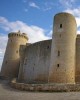
Private tour in Palma de Majorca - Private at your own pace
This private tour in Spain is designed especially for those who are eager to explore the main sites of Palna de Majorca in the shortest period of time
Quick tours search
Tour Categories
Private Guide in Greece
Angelo
Private Guide in Katerini
I can make your hiking, beach bar hopping and educational experience one of a kind! You will learn everything you ever wondered about this beautiful country. Read more