


 French
 Spanish
 Russian
Belgium : Tours and Excursion
Dyle River
The Dyle River is a 86-kilometer-long river in Belgium, flowing through the provinces of Walloon Brabant, Flemish Brabant, and Antwerp. The river is known for its scenic beauty and historical significance, particularly in the city of Leuven, where it flows through the city center.
History & Origins
The Dyle River has played a crucial role in the development of the regions it flows through, serving as a source of water, transportation, and energy for mills. The river's name is derived from the Celtic word 'Dijle', meaning 'water'. The river has been a vital part of Leuven's history, contributing to the city's growth as a trade and academic center.
In the Middle Ages, the Dyle River was used for transporting goods and building materials, which helped Leuven become a prominent city in the Duchy of Brabant. The river also powered numerous watermills, which were essential for the local economy.
Architecture & Features
The Dyle River is characterized by its meandering course and picturesque banks, which are lined with historic buildings, parks, and bridges. In Leuven, the river flows past the iconic University Library and the Great Beguinage, both UNESCO World Heritage Sites.
The river is also home to a variety of wildlife, including ducks, swans, and fish, making it a popular spot for nature lovers. The banks of the Dyle are ideal for leisurely walks and picnics, offering stunning views of the surrounding architecture and landscapes.
Practical FAQ for Travelers
What is the best time to visit?
The best time to visit the Dyle River is during spring and summer, when the weather is pleasant and the surrounding greenery is in full bloom.
Are there boat tours available?
Yes, boat tours are available in Leuven, offering a unique perspective of the city's landmarks from the water.
Is the river accessible for wheelchair users?
The riverbanks in Leuven are generally accessible, but some areas may have uneven surfaces or steps.
Are pets allowed?
Yes, pets are allowed along the riverbanks, but they must be kept on a leash.
Is fishing allowed in the river?
Fishing is allowed in certain sections of the river, but a fishing permit is required.
Dyle River: Private tours and Excursions.
-

Culture and History tour in Antwerp - The Cultural cities of Flanders (from a half day to several days)
“I like the chime in your ancient cities O old land, keeper of your domestic traditions..”Victor Hugo Brussels, Ghent, Bruges, Antwerp, Me
Quick tours search
Tour Categories
Private Guide in Belgium
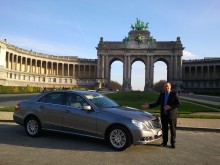
Mike
Private Guide in Brussels
40 years of tourism and hotel business experience. Private guide Mike is devoted to providing his guests with a memorable experience that exceeds all their expectations. Read more