


 French
 Spanish
 Russian
: Tours and Excursion
Empire State Building
The Empire State Building is a 102-story Art Deco skyscraper in Midtown Manhattan, New York City. Completed in 1931, it stood as the world's tallest building for nearly 40 years. The building's design, by Shreve, Lamb & Harmon, features a distinctive stepped form and spire, making it an iconic symbol of New York City.
History & Origins
The Empire State Building was constructed during the Great Depression, with work beginning in 1930 and completing in just over a year. It was designed to be the tallest building in the world, surpassing the Chrysler Building. The building's name derives from 'Empire State', the nickname for New York.
The construction involved thousands of workers and set records for speed and safety. The building officially opened on May 1, 1931, with President Herbert Hoover ceremonially turning on the lights from Washington, D.C.
Originally intended as a hub for corporate offices, the building struggled with low occupancy during its early years, earning the nickname 'Empty State Building'. However, it eventually became a profitable and iconic landmark.
Architecture & Features
The Empire State Building's design is a prime example of Art Deco architecture, characterized by its symmetrical composition, geometric ornamentation, and use of modern materials. The exterior is clad in Indiana limestone and granite, with aluminum and stainless steel accents.
The building's interior features a grand lobby with Art Deco murals and marble finishes. The 86th and 102nd-floor observatories offer panoramic views of New York City, making them a must-see for visitors on a Sightseeing Nature tour.
Legends & Facts
In 1945, a B-25 Mitchell bomber crashed into the 79th floor due to heavy fog, killing 14 people. The building sustained minimal structural damage, showcasing its robust construction.
The Empire State Building's spire was originally designed as a mooring mast for dirigibles, though this idea was quickly abandoned due to safety concerns.
The building's lights are often changed to celebrate holidays and events, such as green for St. Patrick's Day or red and pink for Valentine's Day.
Tourist Tips
Visit early in the morning or late at night to avoid crowds. The observatories are open until 2 AM, offering stunning nighttime views. Purchase tickets online in advance to skip the long lines.
Nearby
- Times Square: The bustling heart of Manhattan, known for its bright lights and Broadway theaters.
- Bryant Park: A serene green space with seasonal activities and free Wi-Fi.
- Grand Central Terminal: A historic train station with a stunning celestial ceiling.
- Macy's Herald Square: One of the world's largest department stores.
- Madison Square Garden: A premier venue for sports and entertainment events.
Practical FAQ for Travelers
What are the opening hours?
The observatories are open daily from 8 AM to 2 AM.
What is the best time to visit?
Early morning or late evening to avoid crowds.
How long does a visit typically take?
Plan for 1-2 hours, depending on crowd levels.
Are there any dress code requirements?
No specific dress code, but comfortable shoes are recommended.
Is the building accessible for people with disabilities?
Yes, the observatories are wheelchair accessible.
Are pets allowed?
Only service animals are permitted.
Empire State Building: Private tours and Excursions.
-
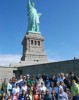
Walking tour in New York - Wall Street to The Statue of Liberty
After meeting you in the lobby of your hotel, we will subway together down to Battery park, where we will board the ferry boats that will take us to s
Quick tours search
Tour Categories
- Any tour category
- Adventure tour
- Arts and Crafts tour
- Boating and Sailing tour
- Children's tour
- Culture and History tour
- Diving tour
- Eco and Wildlife tour
- Excursion
- Expedition
- Fishing tour
- Gourmet & Cooking tour
- Hiking tour
- Hunting tour
- Jeep tour
- Private tour
- Railway trip
- Safari
- Shopping tour
- Sightseeing Nature tour
- Trekking tour
- Walking tour
- Wine tasting tour
Private Guide in China

Harris
Private Guide in Shanghai
Looking for the best guide to take you through the beautiful city of Shanghai? Harris is just the man you need! Read more
Tour in Argentina
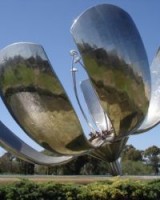
Culture and History tour in Buenos Aires
This is an extended version of the Buenos Aires' Highlights Tour! Read more