


 French
 Spanish
 Russian
: Tours and Excursion
Attention!!! There are tours with discounts.
The geyser
The geyser is a natural phenomenon characterized by the intermittent discharge of water ejected turbulently and accompanied by steam. Geysers are rare geological features, requiring a unique combination of water, heat, and underground plumbing to form. They are often found in volcanic regions and are a popular attraction for tourists interested in natural wonders.
History & Origins
Geysers have been known for centuries, with some of the most famous examples located in Iceland, the United States, and New Zealand. The word 'geyser' itself comes from the Icelandic word 'geysir,' meaning 'to gush.' These natural features have long fascinated scientists and travelers alike, offering insights into the Earth's geothermal activity.
Architecture & Features
Geysers are typically found in geothermal areas, where magma heats groundwater trapped in underground cavities. The pressure builds until the water is forced to the surface, creating a spectacular eruption. The surrounding area often features hot springs, fumaroles, and other geothermal phenomena.
Legends & Facts
One interesting fact about geysers is that their eruptions can be highly predictable, with some, like Old Faithful in Yellowstone National Park, erupting at regular intervals. Another notable aspect is the delicate balance required for a geyser to form, making them vulnerable to human interference and environmental changes.
Tourist Tips
Visitors should stay on designated paths to avoid damaging the fragile geothermal features and to protect themselves from scalding water. The best time to visit is during cooler months when the steam is more visible. Always follow park guidelines and respect safety barriers.
Nearby
- Hot Springs - Natural pools of heated water, often found near geysers.
- Volcanic Craters - Formed by past volcanic activity, offering dramatic landscapes.
- Visitor Centers - Provide educational exhibits about geothermal activity.
- Hiking Trails - Offer scenic views of the surrounding geothermal area.
- Local Villages - Often have cultural and historical significance related to the geothermal features.
Practical FAQ for Travelers
What is the best time to visit?
Early morning or late afternoon is ideal for viewing eruptions, as the light enhances the steam's visibility.
Are there entrance fees?
Yes, most geyser sites are located within national parks or protected areas that charge entrance fees.
Is the site accessible for children?
Yes, but children should be closely supervised due to the potential dangers of hot water and steam.
Can I take photos?
Yes, photography is allowed, but be mindful of steam and water spray.
Are pets allowed?
Pets are generally not allowed in geothermal areas due to safety concerns.
The geyser: Private tours and Excursions. Hurry up and book a tour with a discount.
-
Special Offer!

Excursion in Antananarivo - Water and Geyser in Ampefy - Antananarivo
The geyser and Lily's waterfall are unique sights in Ampefy and Analavory. The best season to visit these two attractions are from January up to April
Quick tours search
Tour Categories
- Any tour category
- Adventure tour
- Arts and Crafts tour
- Boating and Sailing tour
- Children's tour
- Culture and History tour
- Diving tour
- Eco and Wildlife tour
- Excursion
- Expedition
- Fishing tour
- Gourmet & Cooking tour
- Hiking tour
- Hunting tour
- Jeep tour
- Private tour
- Railway trip
- Safari
- Shopping tour
- Sightseeing Nature tour
- Trekking tour
- Walking tour
- Wine tasting tour
Private Guide in Fiji
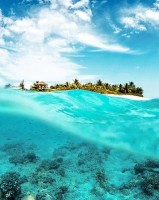
Ben
Private Guide in Nadi
This is where you experience the lively sunshine and smiling faces of the Fijian people. Come join me and experience for yourself that Fiji is the place to be. Read more
Tour in Kenya
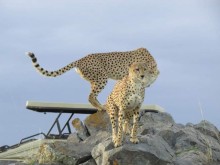
14-Day Discover Masai Mara Amboseli Serengeti Ngorongoro crater Zanzibar Beach Safari
Safari in Nairobi
Lake Nakuru is famous for its millions of flamigoes and migrant birds from over the world; in Nakuru we have upto 425 different bird species. You will leave back to the hotel before dark for your dinner and overnight at you lodge Read more