


 French
 Spanish
 Russian
Belgium : Tours and Excursion
The Great Beguinage
The Great Beguinage in Leuven is a well-preserved historical complex that once housed beguines, religious women who lived in communities without taking vows. Founded in the 13th century, it is a UNESCO World Heritage Site and a prime example of Flemish beguinage architecture. The site features cobbled streets, traditional houses, and a central church, offering a glimpse into medieval religious life.
History & Origins
The Great Beguinage was established in the early 13th century as a sanctuary for beguines, women who dedicated their lives to religious service without formal monastic vows. Over the centuries, it grew into a self-contained community with its own church, infirmary, and workshops. The beguinage reached its peak in the 17th century but declined in the 19th century as the beguine movement faded.
In the 20th century, the University of Leuven restored the site, repurposing many of the buildings for student housing while preserving its historical character. Today, it stands as a testament to the unique social and religious role of beguines in medieval Europe.
Architecture & Features
The Great Beguinage comprises over 80 houses arranged around courtyards and narrow lanes. The buildings showcase traditional Flemish brick architecture with stepped gables and whitewashed facades. The central church, dedicated to St. John the Baptist, features Gothic and Baroque elements, reflecting the site's long history.
The beguinage's layout emphasizes communal living, with shared gardens and a central well. The tranquil atmosphere makes it a perfect stop for a Culture and History tour or a leisurely Walking tour.
Legends & Facts
1. The beguines were known for their independence, managing their own affairs without male oversight—a rarity in medieval Europe.
2. During the French Revolution, the beguinage was temporarily seized but later returned to religious use.
3. The site's restoration in the 1960s was one of the first large-scale heritage projects in Belgium.
Tourist Tips
Start your visit at the main gate and follow the winding lanes to explore the houses and church. The beguinage is especially picturesque in spring when the gardens are in bloom.
Nearby
- St. Peter's Church: A Gothic church with a rich art collection.
- Leuven Town Hall: A masterpiece of Brabantine Gothic architecture.
- University Library: A historic library with a panoramic tower view.
- M-Museum Leuven: A museum showcasing medieval to contemporary art.
- Oude Markt: A lively square lined with cafes and bars.
Practical FAQ for Travelers
Is there an entrance fee?
No, The Great Beguinage is free to enter.
What is the best time to visit?
Early morning or late afternoon for fewer crowds and softer light.
How long does a visit take?
About 1-2 hours, depending on your pace.
Are photos allowed?
Yes, photography is permitted for personal use.
Is the site wheelchair accessible?
Partially, due to cobbled streets and uneven surfaces.
The Great Beguinage: Private tours and Excursions.
-
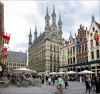
Culture and History tour in Leuven - Leuven and Luik
Leuven: Whatever you are looking for in a city, can be found in Leuven. A university city with a small-town feel, but completely in pace with a rapidl
Quick tours search
Tour Categories
Private Guide in Belgium

Mike
Private Guide in Brussels
40 years of tourism and hotel business experience. Private guide Mike is devoted to providing his guests with a memorable experience that exceeds all their expectations. Read more