


 French
 Spanish
 Russian
Spain : Tours and Excursion
Jewish Quarter in Palma
The Jewish Quarter in Palma, also known as Call Major, is a historic neighborhood that dates back to the medieval period. It was once the center of Jewish life in Mallorca before the expulsion of the Jews in 1492. Today, the area is a fascinating blend of narrow streets, historic buildings, and cultural landmarks.
History & Origins
The Jewish Quarter was established in the 13th century and thrived as a vibrant community until the Spanish Inquisition. The Jews of Palma, known as Xuetes, were forced to convert to Christianity or leave the island. Many of the original structures, including synagogues and homes, were repurposed or destroyed over time.
Despite the expulsion, the Jewish Quarter retains its unique character and is a testament to the island's multicultural past. Recent efforts have been made to preserve and restore the area, highlighting its historical significance.
Architecture & Features
The Jewish Quarter is characterized by its labyrinthine streets, stone buildings, and hidden courtyards. Many of the structures feature Gothic and Moorish architectural elements, reflecting the diverse influences of the period.
Key landmarks include the remains of the ancient synagogue, now a cultural center, and the Monti-Sion Church, which was built on the site of a former Jewish school. The area is also home to several museums and galleries that showcase the history of the Jewish community in Mallorca.
Legends & Facts
One of the most famous legends associated with the Jewish Quarter is the story of the Xuetes, who secretly maintained their Jewish traditions despite outward conversion to Christianity. Another tale tells of hidden tunnels beneath the streets, used by Jews to escape persecution.
The quarter is also known for its annual cultural festivals, which celebrate the legacy of the Jewish community and promote intercultural dialogue.
Tourist Tips
Visitors to the Jewish Quarter should start their exploration at the main square, where information boards provide an overview of the area's history. The narrow streets are best explored on foot, with plenty of cafes and shops to stop along the way.
Photography is encouraged, but visitors should be respectful of the residential nature of the neighborhood. The area is pedestrian-friendly, but some streets may be challenging for those with mobility issues.
Nearby
- Palma Cathedral: A stunning Gothic cathedral located nearby.
- Royal Palace of La Almudaina: A historic palace with Moorish and Gothic architecture.
- Plaзa Major: A lively square with cafes and street performers.
- Es Baluard Museum: A contemporary art museum with works by local and international artists.
- Sant Miquel Church: A beautiful church with a rich history.
Practical FAQ for Travelers
What are the opening hours?
The Jewish Quarter is open to the public at all times, but museums and cultural centers may have specific hours.
Is there an entrance fee?
Access to the quarter is free, but some attractions may charge a fee.
What is the best time to visit?
Early morning or late afternoon is ideal to avoid the heat and crowds.
Are guided tours available?
Self-guided tours are recommended, but guided tours may be available through local organizations.
Is the area accessible for wheelchair users?
Some streets may be uneven, but the main areas are generally accessible.
Jewish Quarter in Palma: Private tours and Excursions.
-
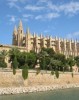
Culture and History tour in Palma de Majorca - Walking the old Jewish Palma de Mallorca
This private tour in Spain is designed especially for those who are interested in the history and culture of the Jewish people in Spain and particular
Quick tours search
Tour Categories
Private Guide in Belgium
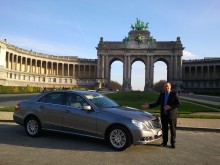
Mike
Private Guide in Brussels
40 years of tourism and hotel business experience. Private guide Mike is devoted to providing his guests with a memorable experience that exceeds all their expectations. Read more