


 French
 Spanish
 Russian
: Tours and Excursion
Arly National Park
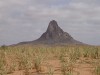
Arly National Park is a protected area in southeastern Burkina Faso, known for its diverse wildlife and savannah landscapes. The park covers approximately 760 square kilometers and is part of the larger W-Arly-Pendjari (WAP) complex, a UNESCO World Heritage Site. It is home to elephants, lions, hippos, and numerous bird species, making it a prime destination for wildlife enthusiasts.
History & Origins
Established in 1954, Arly National Park was created to protect the region's biodiversity. The park's history is tied to conservation efforts in West Africa, particularly the WAP complex, which spans Burkina Faso, Benin, and Niger. The area has long been a critical habitat for migratory species and a focus of international conservation programs.
Architecture & Features
The park's landscape features savannahs, gallery forests, and riverine ecosystems. The Arly River runs through the park, providing a vital water source for wildlife. Observation points and guided trails are strategically placed to minimize human impact while maximizing wildlife viewing opportunities.
Legends & Facts
1. The park is named after the Arly River, which sustains its ecosystems. 2. It is one of the last strongholds for the West African lion. 3. The WAP complex is the largest remaining intact ecosystem in West Africa.
Tourist Tips
Visit during the dry season (November to April) for optimal wildlife viewing. Early morning and late afternoon are the best times for safaris. Stick to designated trails to avoid disturbing wildlife.
Nearby
- W National Park: A neighboring park in Niger, part of the WAP complex.
- Pendjari National Park: Located in Benin, another key component of the WAP complex.
- Ouagadougou: The capital of Burkina Faso, offering cultural and historical sites.
- Nazinga Ranch: A wildlife reserve known for its elephant population.
- Loropeni Ruins: A UNESCO World Heritage Site featuring ancient stone walls.
Practical FAQ for Travelers
When is the best time to visit?
The dry season (November to April) is ideal for wildlife viewing.
Are there entrance fees?
Yes, fees apply for park entry and guided safaris.
Is the park accessible year-round?
Access may be limited during the rainy season (May to October).
Are children allowed?
Yes, but supervision is required due to wildlife.
What should I wear?
Light, neutral-colored clothing and sturdy footwear are recommended.
Arly National Park: Private tours and Excursions.
-
Culture and History tour in Ouagadougou - 7 days tour in Burkina Faso
Day 1: Arrive Ouagadougou international airport then transfer to the hotel. Day 2: Ouaga - Bobo Dioulasso. Depart in direction of Bobo Dioulasso, eco
Quick tours search
Tour Categories
- Any tour category
- Adventure tour
- Arts and Crafts tour
- Boating and Sailing tour
- Children's tour
- Culture and History tour
- Diving tour
- Eco and Wildlife tour
- Excursion
- Expedition
- Fishing tour
- Gourmet & Cooking tour
- Hiking tour
- Hunting tour
- Jeep tour
- Private tour
- Railway trip
- Safari
- Shopping tour
- Sightseeing Nature tour
- Trekking tour
- Walking tour
- Wine tasting tour
Private Guide in China

Harris
Private Guide in Shanghai
Looking for the best guide to take you through the beautiful city of Shanghai? Harris is just the man you need! Read more
Tour in Argentina

Culture and History tour in Buenos Aires
This is an extended version of the Buenos Aires' Highlights Tour! Read more