


 French
 Spanish
 Russian
Spain : Tours and Excursion
Royal Palace of La Almudaina
The Royal Palace of La Almudaina is a historic palace located in Palma, Spain. Originally built as an Arab fortress in the 10th century, it was later converted into a royal residence by the Christian kings of Mallorca. The palace serves as the official residence of the Spanish royal family when they visit the Balearic Islands.
History & Origins
The palace's origins date back to the Islamic period when it was constructed as a fortress by the Moors. After the Christian conquest of Mallorca in 1229, King James II of Aragon transformed it into a Gothic-style royal palace. Over the centuries, it has undergone various renovations, blending Islamic and Gothic architectural elements.
The palace has played a significant role in the history of Mallorca, serving as a military stronghold, a royal residence, and a symbol of power. Today, it is a protected historical monument and a popular attraction for visitors interested in the island's rich cultural heritage.
Architecture & Features
The Royal Palace of La Almudaina features a mix of Islamic and Gothic architectural styles. The exterior retains elements of its original Moorish design, including the fortified walls and towers. Inside, the palace boasts grand halls, chapels, and courtyards adorned with intricate Gothic details.
The Throne Room, one of the palace's highlights, is decorated with Flemish tapestries and historical artifacts. The Chapel of Santa Ana, located within the palace, is a fine example of Gothic architecture and houses religious artworks from the medieval period.
Legends & Facts
One of the most enduring legends associated with the palace is the story of King James II, who is said to have hidden a treasure within its walls. Another tale recounts the ghost of a Moorish princess who is said to haunt the palace's corridors.
The palace has also been the site of important historical events, including royal weddings and political negotiations. Its strategic location overlooking the Mediterranean made it a key defensive structure during medieval times.
Tourist Tips
Visitors to the Royal Palace of La Almudaina should start their tour at the main entrance, where they can admire the impressive facade. The interior can be explored at a leisurely pace, with highlights including the Throne Room, the Chapel of Santa Ana, and the picturesque courtyards.
Photography is allowed in most areas, but flash photography is prohibited in certain rooms to preserve the artworks. The palace is wheelchair accessible, with ramps and elevators available for visitors with mobility issues.
Nearby
- Palma Cathedral: A stunning Gothic cathedral located just a short walk from the palace.
- Bellver Castle: A circular castle offering panoramic views of Palma and the surrounding area.
- Paseo Maritimo: A scenic waterfront promenade perfect for a leisurely stroll.
- Plaza Mayor: A bustling square lined with cafes and shops.
- Arab Baths: One of the few remaining examples of Islamic architecture in Palma.
Practical FAQ for Travelers
What are the opening hours?
The palace is open from 10:00 AM to 6:00 PM, Tuesday to Sunday. It is closed on Mondays.
Is there an entrance fee?
Yes, tickets cost 7 Euro for adults and 3 Euro for children and seniors.
What is the best time to visit?
Early morning or late afternoon is ideal to avoid crowds.
Are guided tours available?
Self-guided tours are available, but guided tours are not offered.
Is the palace accessible for wheelchair users?
Yes, the palace is wheelchair accessible with ramps and elevators.
Royal Palace of La Almudaina: Private tours and Excursions.
-
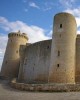
Private tour in Palma de Majorca - Private at your own pace
This private tour in Spain is designed especially for those who are eager to explore the main sites of Palna de Majorca in the shortest period of time
Quick tours search
Tour Categories
Private Guide in Belgium

Mike
Private Guide in Brussels
40 years of tourism and hotel business experience. Private guide Mike is devoted to providing his guests with a memorable experience that exceeds all their expectations. Read more