


 French
 Spanish
 Russian
: Tours and Excursion
History & Origins
The W. E. B. Du Bois Center for Pan African Culture was established in 1985 to honor the legacy of W. E. B. Du Bois, who spent the last years of his life in Ghana. Du Bois was a key figure in the Pan-African movement, advocating for the unity and liberation of African people worldwide.
The center was founded with the support of the Ghanaian government and various international organizations. It was designed to serve as a hub for research, education, and cultural exchange on Pan-African issues.
Over the years, the center has hosted numerous events, including conferences, workshops, and exhibitions, attracting scholars, activists, and tourists from around the world.
Architecture & Features
The W. E. B. Du Bois Center is housed in a modern building that reflects the cultural heritage of Africa. The architecture incorporates elements of traditional African design, with a focus on simplicity and functionality.
The center features several galleries, each dedicated to a different aspect of Du Bois's life and work. One of the highlights is the exhibit on Du Bois's role in the Pan-African movement, which includes rare photographs and documents.
The center also houses a library with an extensive collection of books, journals, and manuscripts on African and African American history. The library is a valuable resource for researchers and students interested in Pan-African studies.
Legends & Facts
W. E. B. Du Bois was the first African American to earn a Ph.D. from Harvard University. His groundbreaking work on race and society laid the foundation for modern sociology.
Du Bois was a co-founder of the National Association for the Advancement of Colored People (NAACP) and played a key role in the civil rights movement in the United States.
In 1961, Du Bois moved to Ghana at the invitation of President Kwame Nkrumah, where he became a citizen and spent the last years of his life working on the Encyclopedia Africana.
Tourist Tips
When visiting the W. E. B. Du Bois Center, it is recommended to take your time exploring the exhibits and the library. The center offers a comprehensive overview of Du Bois's life and the Pan-African movement, so it is worth spending a few hours to fully appreciate the collection.
It is also advisable to check the center's event calendar before your visit, as there may be lectures or cultural events that you can attend.
Nearby
- Kwame Nkrumah Mausoleum: A memorial dedicated to Ghana's first president, Kwame Nkrumah.
- National Museum of Ghana: A museum showcasing the history and culture of Ghana.
- Independence Square: A historic site where Ghana declared its independence from British colonial rule.
- Jamestown Lighthouse: A historic lighthouse offering panoramic views of Accra.
- Makola Market: A bustling market where you can purchase traditional crafts and souvenirs.
Practical FAQ for Travelers
What are the opening hours of the W. E. B. Du Bois Center?
The W. E. B. Du Bois Center is open from 9:00 AM to 5:00 PM, Monday to Saturday.
Is there an entrance fee?
Yes, there is a small entrance fee of 10 Ghana cedis for adults and 5 Ghana cedis for children.
What is the best time to visit the center?
The best time to visit is during the cooler months, from November to February, when the weather is more pleasant.
Are guided tours available?
No, the center does not offer guided tours, but there are informative signs in both English and French.
Is the center accessible for people with disabilities?
Yes, the center is fully accessible for people with disabilities.
Can I take photos inside the center?
Yes, photography is allowed, but flash photography is prohibited to protect the artifacts.
W. E. B. Du Bois Center for Pan African Culture: Private tours and Excursions.
-

Culture and History tour in Ouagadougou - 16 days tour in Ghana - Togo - Benin - Niger and Burkina Faso
Day 1: Akwaaba-Welcome. Arrive in Accra, Ghana. Transfer from airport to your hotel. Welcome drink and orientation. Dinner and overnight at your Hotel
Quick tours search
Tour Categories
- Any tour category
- Adventure tour
- Arts and Crafts tour
- Boating and Sailing tour
- Children's tour
- Culture and History tour
- Diving tour
- Eco and Wildlife tour
- Excursion
- Expedition
- Fishing tour
- Gourmet & Cooking tour
- Hiking tour
- Hunting tour
- Jeep tour
- Private tour
- Railway trip
- Safari
- Shopping tour
- Sightseeing Nature tour
- Trekking tour
- Walking tour
- Wine tasting tour
Private Guide in Morocco

Mustapha
Private Guide in Marrakech
My name is Mustapha. I am your guide and will support you during the tour. I promise you are going to enjoy your stay here in Morocco. This is a beautiful, quiet country where ... Read more
Tour in Argentina
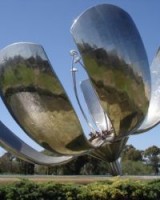
Culture and History tour in Buenos Aires
This is an extended version of the Buenos Aires' Highlights Tour! Read more