


 French
 Spanish
 Russian
: Tours and Excursion
The Waterfalls of Karfiguela
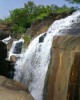
The Waterfalls of Karfiguela are a series of picturesque cascades located near Banfora in southwestern Burkina Faso. These falls, also known as Cascades de Karfiguela, form where the Komoe River descends over laterite steps, creating multiple tiers of waterfalls surrounded by lush vegetation. The site is particularly impressive during and after the rainy season when water flow is strongest.
History & Origins
The falls have been an important local landmark for centuries, serving as both a water source and spiritual site for indigenous communities. European explorers first documented the falls in the late 19th century during colonial expeditions through West Africa.
In the 20th century, the area around the falls became part of Burkina Faso's early efforts to promote eco-tourism. Today, the falls are one of the country's most visited natural attractions, drawing both domestic and international visitors.
The surrounding area was designated part of the Comoй-Lйraba protected zone in 2007, helping conserve the unique ecosystem around the waterfalls.
Architecture & Features
The falls consist of several main cascades spread over about 1.5 kilometers along the Komoe River. The highest single drop measures approximately 5 meters, with numerous smaller steps creating a terraced effect. The reddish-brown laterite rock contrasts beautifully with the white water and green vegetation.
During the dry season, the water flow reduces significantly, revealing interesting rock formations and pools. The surrounding area features gallery forest with diverse plant species, including raffia palms and various ferns.
Legends & Facts
Local tradition holds that the falls were created when a spirit struck the ground to provide water during a drought. The name 'Karfiguela' comes from a local language phrase meaning 'place where the water falls.'
The falls are home to several endemic fish species adapted to the fast-moving water. Butterflies are particularly abundant in the area during certain seasons.
During colonial times, the French established a small hydroelectric plant near the falls to power local operations, remnants of which can still be seen.
Tourist Tips
The best viewing is from the main observation area, but adventurous visitors can follow paths to different levels of the falls. Swimming is possible in certain pools during safe water conditions. Local guides are available to show the best routes and explain the ecosystem.
Practical FAQ for Travelers
When is the best time to visit?
July to October offers the most impressive water flow, while December to February provides better access to rock formations.
Are there entrance fees?
A small entrance fee (about 1.50 Euro) is charged, with additional fees for guided tours.
How long should I plan to spend there?
Plan for 1-3 hours depending on how extensively you wish to explore the area.
Is swimming allowed?
Swimming is permitted in designated areas when water levels are safe, typically in the dry season.
What should I wear?
Wear sturdy water shoes or sandals with good grip, as rocks can be slippery. Light clothing is recommended due to the humid microclimate.
Nearby
- Banfora - Regional capital with markets and cultural sites (12 km northeast)
- Domes of Fabedougou - Unique sandstone formations (25 km northwest)
- Tengrela Lake - Home to hippopotamuses (35 km east)
- Sindou Peaks - Dramatic rock formations popular for hiking (45 km west)
- Niansogoni Village - Traditional Senufo community (20 km south)
The Waterfalls of Karfiguela: Private tours and Excursions.
-
Culture and History tour in Ouagadougou - 15 Burkina Faso and Mali tour
Day 1: Arrival, welcome, diner and night at Sofitel. Day 2: Departure for Manega and its Bendrologie museum (drums’ language), ethnological trea
Quick tours search
Tour Categories
- Any tour category
- Adventure tour
- Arts and Crafts tour
- Boating and Sailing tour
- Children's tour
- Culture and History tour
- Diving tour
- Eco and Wildlife tour
- Excursion
- Expedition
- Fishing tour
- Gourmet & Cooking tour
- Hiking tour
- Hunting tour
- Jeep tour
- Private tour
- Railway trip
- Safari
- Shopping tour
- Sightseeing Nature tour
- Trekking tour
- Walking tour
- Wine tasting tour
Private Guide in Korea South

Charlie
Private Guide in Seoul
I have live in Seoul. In Seoul, I’ve sought out the most interesting temples, gardens, nightlife districts and fascinating urban landscapes. Read more
Tour in Kenya
14-Day Discover Masai Mara Amboseli Serengeti Ngorongoro crater Zanzibar Beach Safari
Safari in Nairobi
Lake Nakuru is famous for its millions of flamigoes and migrant birds from over the world; in Nakuru we have upto 425 different bird species. You will leave back to the hotel before dark for your dinner and overnight at you lodge Read more