


 French
 Spanish
 Russian
: Tours and Excursion
Attention!!! There are tours with discounts.
Thuburbo Majus, also known as Thuburbo Maius or the Roman ruins of El Fahs, stands as a testament to the complex history of North Africa, transitioning from a Punic settlement to a flourishing Roman colony. This archaeological site, located approximately 60 kilometers southwest of Tunis, offers a glimpse into the everyday life of ancient civilizations. Visitors often find that walking through these extensive ruins with a private guide reveals the intricate details of Roman urban planning and the religious devotion of its inhabitants. The site is famous for its well-preserved Capitol, which dominated the city skyline and remains one of the most impressive structures in Tunisia today.
The Architectural Grandeur of Thuburbo Majus
The layout of Thuburbo Majus is a fascinating study in Roman architecture. The Forum, the center of public life, is surrounded by religious and administrative buildings. Among the most notable is the Temple of Mercury and the Temple of Peace. The residential quarters, with their mosaics and courtyard houses, show how the elite lived. Exploring the vast Palaestra of the Petronii with a private guide provides context to the social customs of the time, as this large gymnasium was a hub for athletic and social gathering. The complex hydraulic systems, including the public baths and cisterns, demonstrate the engineering prowess of the Roman engineers who harnessed local springs to provide for the city needs. The craftsmanship seen in the surviving mosaics, many of which are now housed in the Bardo Museum, originated from these very villas and public spaces, reflecting a culture that valued aesthetic beauty alongside functionality.
Religious and Social Life in Antiquity
Beyond the civic buildings, the site features several temples dedicated to both Roman and local deities. The Temple of Ba'al, later converted into a temple for Saturn, highlights the religious syncretism that occurred in this region. The Summer and Winter Baths are another highlight, showcasing the seasonal adaptations of Roman lifestyle. The site is spread over a large area, and the lack of crowds makes it a peaceful place for contemplation. As you wander through the ancient streets, you can still see the ruts carved by chariot wheels in the stone, bringing the distant past into sharp focus.
Attractions to Visit Nearby
- Temple of Water at Zaghouan - A monumental Roman fountain and aqueduct source.
- Oudna Archaeological Site - Featuring a remarkably restored Roman amphitheater and villas.
- Zaghouan Town - Famous for its Andalusian architecture, mountain views, and rose water.
- Village of Testour - A unique town known for its Great Mosque and clock that turns counter-clockwise.
- Takrouna - A picturesque Berber village perched on a high rocky outcrop with stunning views.
Experience Tunisia with Our Experts
To truly appreciate the layers of history found at Thuburbo Majus, we recommend booking a specialized tour. Our professional private guides are experts in North African archaeology and will ensure your visit is both educational and unforgettable. Don't just see the stones; hear the stories of the people who once called this magnificent city home. Contact us today to arrange your personalized journey through the ancient world of Tunisia and its hidden gems.
Thuburbo Majus: Private tours and Excursions. Hurry up and book a tour with a discount.
-
Special Offer!
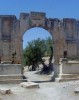
Culture and History tour in Tunis - Dougga -Thuburbo Majus
On this tour I will take you to Thuburbo Majus .The city was originally a Punic colony. Romans started to raise their settlements here in 27 BC. Most
Quick tours search
Tour Categories
- Any tour category
- Adventure tour
- Arts and Crafts tour
- Boating and Sailing tour
- Children's tour
- Culture and History tour
- Diving tour
- Eco and Wildlife tour
- Excursion
- Expedition
- Fishing tour
- Gourmet & Cooking tour
- Hiking tour
- Hunting tour
- Jeep tour
- Private tour
- Railway trip
- Safari
- Shopping tour
- Sightseeing Nature tour
- Trekking tour
- Walking tour
- Wine tasting tour
Private Guide in Belgium

Mike
Private Guide in Brussels
40 years of tourism and hotel business experience. Private guide Mike is devoted to providing his guests with a memorable experience that exceeds all their expectations. Read more
Tour in Kenya
14-Day Discover Masai Mara Amboseli Serengeti Ngorongoro crater Zanzibar Beach Safari
Safari in Nairobi
Lake Nakuru is famous for its millions of flamigoes and migrant birds from over the world; in Nakuru we have upto 425 different bird species. You will leave back to the hotel before dark for your dinner and overnight at you lodge Read more