


 French
 Spanish
 Russian
: Tours and Excursion
Attention!!! There are tours with discounts.
History & Origins
Thuburbo Majus was established as a Roman colony during the reign of Emperor Augustus. It became an important agricultural and trade center in the region. The city's strategic location contributed to its prosperity during the Roman period.
By the 3rd century AD, Thuburbo Majus had grown into a thriving urban center with a population of several thousand inhabitants. The city's decline began in the 5th century due to invasions and economic instability.
Excavations in the 20th century revealed the extent of the city's ruins, providing valuable information about Roman life in North Africa.
Architecture & Features
The ruins of Thuburbo Majus include several notable structures, such as the Capitolium, a temple dedicated to Jupiter, Juno, and Minerva. The temple's impressive columns and intricate carvings are still visible today.
The city also features a well-preserved forum, which served as the central public space. Surrounding the forum are various administrative buildings and shops, showcasing the city's commercial activity.
Other significant structures include the public baths, which were an essential part of Roman social life, and the residential areas, which provide a glimpse into the daily lives of the city's inhabitants.
Legends & Facts
Thuburbo Majus is believed to have been named after the Berber tribe that originally inhabited the area. The city's name reflects its pre-Roman origins.
Archaeological evidence suggests that Thuburbo Majus was a center for olive oil production, which was a major export commodity in Roman North Africa.
The city's decline was hastened by the Vandal invasion in the 5th century, which led to the abandonment of many urban centers in the region.
Tourist Tips
Visitors to Thuburbo Majus should start their tour at the Capitolium, which offers a panoramic view of the site. From there, explore the forum and surrounding buildings before heading to the baths and residential areas.
Wear comfortable shoes and bring water, as the site is extensive and can be hot during the summer months.
Nearby
- El Fahs: A nearby town with a traditional market and local cuisine.
- Dougga: Another ancient Roman city with well-preserved ruins.
- Zaghouan: Known for its Roman aqueduct and scenic landscapes.
- Kairouan: A historic city with significant Islamic architecture.
- Tunis: The capital city of Tunisia, offering museums and cultural attractions.
Practical FAQ for Travelers
What are the opening hours?
Thuburbo Majus is open daily from 8:00 AM to 5:00 PM.
Is there an entrance fee?
Yes, the entrance fee is 10 Tunisian Dinar.
What is the best time to visit?
The best time to visit is during the spring or autumn months when the weather is mild.
Are there guided tours available?
No, visitors explore the site independently.
Is the site accessible for children?
Yes, the site is family-friendly, but supervision is recommended due to uneven terrain.
Are pets allowed?
Pets are not allowed on the site.
Thuburbo Majus: Private tours and Excursions. Hurry up and book a tour with a discount.
-
Special Offer!
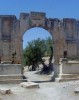
Culture and History tour in Tunis - Dougga -Thuburbo Majus
On this tour I will take you to Thuburbo Majus .The city was originally a Punic colony. Romans started to raise their settlements here in 27 BC. Most -
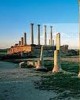
Culture and History tour in Zaghouan - Tunis-Thuburbu Majus-Zaghouan-Tunis
Why Choose a Private Tour in Tunis What’s truly special about taking a private tour in Tunis is how much you can experience within a short
Quick tours search
Tour Categories
- Any tour category
- Adventure tour
- Arts and Crafts tour
- Boating and Sailing tour
- Children's tour
- Culture and History tour
- Diving tour
- Eco and Wildlife tour
- Excursion
- Expedition
- Fishing tour
- Gourmet & Cooking tour
- Hiking tour
- Hunting tour
- Jeep tour
- Private tour
- Railway trip
- Safari
- Shopping tour
- Sightseeing Nature tour
- Trekking tour
- Walking tour
- Wine tasting tour
Private Guide in Belgium

Mike
Private Guide in Brussels
40 years of tourism and hotel business experience. Private guide Mike is devoted to providing his guests with a memorable experience that exceeds all their expectations. Read more
Tour in Argentina
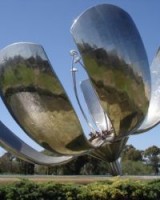
Culture and History tour in Buenos Aires
This is an extended version of the Buenos Aires' Highlights Tour! Read more