


 French
 Spanish
 Russian
: Tours and Excursion
History & Origins
The Turda Salt Mine has a rich history that spans centuries. Salt extraction in the area began during the Roman Empire, and the mine continued to operate until the 20th century. The mine played a crucial role in the local economy, providing salt for trade and preservation. Over time, the mine's industrial use declined, and it was eventually repurposed as a tourist attraction in the 1990s.
During the Middle Ages, the mine was expanded and modernized, with new tunnels and chambers being excavated. The mine's infrastructure reflects the technological advancements of the time, including wooden supports and ventilation systems. The mine's historical significance is further highlighted by its inclusion on the list of protected historical monuments in Romania.
In the 20th century, the mine faced challenges due to competition from modern salt production methods. However, its transformation into a tourist attraction has ensured its preservation and continued relevance. Today, the Turda Salt Mine stands as a testament to the region's industrial heritage and geological wonders.
Architecture & Features
The Turda Salt Mine is characterized by its vast underground chambers and intricate salt formations. The mine's architecture reflects its industrial past, with wooden supports and ventilation systems still visible. The mine's most notable feature is its underground lake, which adds to the surreal atmosphere of the space.
The mine's chambers are illuminated by modern lighting systems, highlighting the natural beauty of the salt formations. Visitors can explore the mine's tunnels and chambers, gaining insight into the mining techniques used throughout history. The mine also features a museum that showcases artifacts and exhibits related to its history and geology.
Legends & Facts
One of the most fascinating facts about the Turda Salt Mine is its role in World War II. During the war, the mine was used as a bomb shelter, providing refuge for locals during air raids. The mine's underground location made it an ideal shelter, and its salt walls provided additional protection.
Another interesting fact is the mine's microclimate. The underground environment maintains a constant temperature and humidity level, making it a unique therapeutic space. Visitors often report feeling rejuvenated after spending time in the mine, thanks to its natural healing properties.
The mine's underground lake is also a source of intrigue. The lake's crystal-clear waters reflect the salt formations, creating a mesmerizing visual effect. Visitors can take boat rides on the lake, adding to the overall experience of exploring the mine.
Tourist Tips
When visiting the Turda Salt Mine, it is recommended to wear comfortable clothing and sturdy footwear. The mine's underground environment can be cool and damp, so dressing in layers is advisable. Visitors should also bring a camera to capture the stunning salt formations and underground lake.
Exploring the mine can take several hours, so it is important to allocate enough time for the visit. Guided tours are available, providing additional insights into the mine's history and geology. However, visitors can also explore the mine independently, following the marked paths and informational signs.
Nearby
- Turda Gorge - A stunning natural canyon with hiking trails and scenic views.
- Cluj-Napoca - A vibrant city known for its historical landmarks and cultural attractions.
- Cheile Turzii - A picturesque gorge with hiking trails and rock climbing opportunities.
- Salina Turda - Another salt mine in the region, offering a different perspective on the area's geological history.
- Turda Zoo - A family-friendly attraction with a variety of animal exhibits.
Practical FAQ for Travelers
What are the opening hours?
The Turda Salt Mine is open daily from 9:00 AM to 5:00 PM.
What is the ticket price?
Ticket prices vary depending on age and group size, with discounts available for children and seniors.
What is the best time to visit?
The mine can be visited year-round, but weekdays are less crowded than weekends.
Is photography allowed?
Yes, photography is allowed throughout the mine.
Is the mine accessible for children and pets?
The mine is accessible for children, but pets are not allowed.
Is there a dress code?
There is no strict dress code, but comfortable clothing and sturdy footwear are recommended.
Turda Salt Mine: Private tours and Excursions.
-
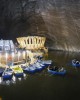
Excursion in Oradea - Salt mine Turda one day tour from Oradea
We shall pick you up from your hotel or residence early in the morning and travel to Turda . The trip lasts around 3 hours. There we shall buy the tic
Quick tours search
Tour Categories
- Any tour category
- Adventure tour
- Arts and Crafts tour
- Boating and Sailing tour
- Children's tour
- Culture and History tour
- Diving tour
- Eco and Wildlife tour
- Excursion
- Expedition
- Fishing tour
- Gourmet & Cooking tour
- Hiking tour
- Hunting tour
- Jeep tour
- Private tour
- Railway trip
- Safari
- Shopping tour
- Sightseeing Nature tour
- Trekking tour
- Walking tour
- Wine tasting tour
Private Guide in Argentina

Angeles
Private Guide in Buenos Aires
My tours are full of interesting information, including historic facts, relevant political data, and all those funny anecdotes that make tours memorable. Read more
Tour in Argentina
Culture and History tour in Buenos Aires
This is an extended version of the Buenos Aires' Highlights Tour! Read more