


 French
 Spanish
 Russian
: Tours and Excursion
Winter Palace
The Winter Palace is a historic building in Saint Petersburg that served as the official residence of the Russian monarchs from 1732 to 1917. Designed by Bartolomeo Rastrelli in the Elizabethan Baroque style, the palace is now part of the Hermitage Museum complex.
History & Origins
The first Winter Palace was built for Peter the Great in 1708, but the current structure dates to 1754-1762. It was commissioned by Empress Elizabeth and completed under Catherine the Great, who expanded the palace's art collection.
The palace witnessed key events in Russian history, including the Bloody Sunday massacre in 1905 and the storming of the palace during the 1917 Revolution. It was declared a museum shortly after the revolution.
Architecture & Features
The palace's facade features white columns against a green background, with golden ornaments and statues. The interior includes over 1,000 rooms, including the lavish Jordan Staircase and the Malachite Room.
The palace's state rooms are decorated with parquet floors, gilded moldings, and crystal chandeliers. The Hermitage Theatre, connected to the palace, is one of the oldest in Russia.
Legends & Facts
Legend says that Catherine the Great had a secret room where she kept her private art collection. Another story claims that a ghost of Nicholas I still walks the palace halls.
During World War II, the palace's artworks were evacuated to Siberia, and the empty frames were left on display as a symbol of resistance.
Tourist Tips
Allow at least half a day to explore the palace and Hermitage Museum. The main entrance is from Palace Square, but there are less crowded entrances from the embankment.
Nearby
- Palace Square - The city's main square, site of many historical events.
- Hermitage Museum - One of the world's largest art museums.
- Admiralty Building - A historic shipyard with a golden spire.
- St. Isaac's Cathedral - A massive cathedral with a colonnade offering panoramic views.
- Neva River - Take a boat tour for stunning views of the palace.
Practical FAQ for Travelers
What are the opening hours?
The palace is open from 10:30 AM to 6:00 PM, closed on Mondays.
Is there an entrance fee?
Yes, tickets cost approximately 700 rubles, with discounts for students and children.
What is the best time to visit?
Weekdays in the off-season to avoid crowds.
Is photography allowed inside?
Yes, but without flash or tripods.
Is the palace accessible for wheelchair users?
Partial access is available, but some areas may be difficult to reach.
Winter Palace: Private tours and Excursions.
-
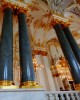
Culture and History tour in St. Petersburg - The Hermitage
Dear Guests, on this tour, in The Hermitage I feel at home. When I studied arts I came here for inspiration for my drawings. The Hermitage is huge
Quick tours search
Tour Categories
- Any tour category
- Adventure tour
- Arts and Crafts tour
- Boating and Sailing tour
- Children's tour
- Culture and History tour
- Diving tour
- Eco and Wildlife tour
- Excursion
- Expedition
- Fishing tour
- Gourmet & Cooking tour
- Hiking tour
- Hunting tour
- Jeep tour
- Private tour
- Railway trip
- Safari
- Shopping tour
- Sightseeing Nature tour
- Trekking tour
- Walking tour
- Wine tasting tour
Private Guide in Argentina

Angeles
Private Guide in Buenos Aires
My tours are full of interesting information, including historic facts, relevant political data, and all those funny anecdotes that make tours memorable. Read more
Tour in India
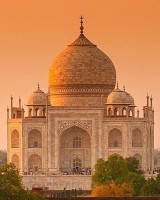
Private tour in Jaipur
Morning visit the world famous beautiful Taj Mahal built by the Moghul Emperor Shahjehan in 1630 for his beloved Queen Mumtaz Mahal to enshrine her mortal remains. Taj Mahal was built in 20 years and over 20,000 worker had worked in constructing it. Read more