


 French
 Spanish
 Russian
: Tours and Excursion
Wonchi Crater Lake
Wonchi Crater Lake is a stunning natural attraction located in the highlands of Ethiopia, formed within a volcanic crater. The lake is surrounded by lush forests and offers breathtaking views, making it a perfect destination for a Sightseeing Nature tour or a Hiking tour. The area is rich in biodiversity and provides a serene escape from urban life.
History & Origins
The lake was formed thousands of years ago following volcanic activity in the region. The crater's walls are steep, and the lake itself is deep, with crystal-clear waters. Local legends suggest the lake is sacred, and it has been a site of pilgrimage for centuries. The surrounding area is home to diverse flora and fauna, including rare bird species.
In recent years, the Ethiopian government has promoted Wonchi as an eco-tourism destination, investing in infrastructure to make it more accessible to visitors. The lake's isolation has helped preserve its natural beauty, and it remains one of Ethiopia's hidden gems.
Architecture & Features
The lake is approximately 3 km in diameter and reaches depths of over 100 meters. The crater walls are covered in dense vegetation, including juniper and eucalyptus trees. The lake's water is fresh and supports a variety of aquatic life. A small island in the center of the lake adds to its scenic appeal.
Visitors can hike around the crater rim, which offers panoramic views of the lake and the surrounding landscape. The area is also home to hot springs, which are believed to have therapeutic properties. The lake's elevation of over 3,000 meters above sea level makes it a cool and refreshing destination year-round.
Legends & Facts
1. Local folklore claims the lake was created by a giant's footprint.
2. The lake is considered sacred by the Oromo people, who perform rituals on its shores.
3. The water is so clear that visibility can reach up to 10 meters deep.
Tourist Tips
Wear sturdy hiking shoes and bring warm clothing, as temperatures can drop significantly. The best time to visit is during the dry season (October to March). Boats are available for hire to explore the lake, and guided hikes can be arranged locally.
Nearby
- Dendi Crater Lake - Another volcanic lake with similar scenic beauty.
- Mount Wenchi - A nearby peak offering challenging hikes and stunning views.
- Ambo - A town known for its mineral springs and resorts.
- Guder - A small town with a vibrant market and cultural sites.
- Addis Ababa - Ethiopia's capital, about 3 hours away by road.
Practical FAQ for Travelers
What are the opening hours?
The lake is accessible from sunrise to sunset.
What is the best time to visit?
The dry season (October to March) offers the best weather and visibility.
How long does a visit take?
A full day is recommended to explore the lake and surrounding area.
Are photos allowed?
Yes, photography is encouraged, but drones may require special permission.
Is the lake accessible for kids?
Yes, but younger children may find the hikes challenging.
Is there a dress code?
Modest clothing is recommended, especially near local communities.
Wonchi Crater Lake: Private tours and Excursions.
-
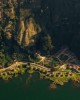
Hiking tour in Addis Ababa - Excurstion to Lake Wenchi
Wonchi Crater Lake Adventure Located 155 kilometers west of Addis Ababa, between the towns of Ambo and Welliso, Wonchi Crater Lake was formed by a vol
Quick tours search
Tour Categories
- Any tour category
- Adventure tour
- Arts and Crafts tour
- Boating and Sailing tour
- Children's tour
- Culture and History tour
- Diving tour
- Eco and Wildlife tour
- Excursion
- Expedition
- Fishing tour
- Gourmet & Cooking tour
- Hiking tour
- Hunting tour
- Jeep tour
- Private tour
- Railway trip
- Safari
- Shopping tour
- Sightseeing Nature tour
- Trekking tour
- Walking tour
- Wine tasting tour
Private Guide in China

Harris
Private Guide in Shanghai
Looking for the best guide to take you through the beautiful city of Shanghai? Harris is just the man you need! Read more
Tour in United States
Private tour in New York
We will stop on our tour for pizza and at Roccos famous Italian bakery. See the brownstones, and sights where tv shows like Friends and Sex and The City were filmed. From Greenwich Village we head to the east village to visit Washington Square Park, New York University, and then make our way to Soho. Read more