


 French
 Spanish
 Russian
: Tours and Excursion
History & Origins
The Zambezi River has played a significant role in the history and culture of the regions it flows through. It has been a vital source of water, food, and transportation for local communities for centuries.
The river was first explored by European settlers in the 19th century, who were drawn to its natural beauty and potential for trade and development. The discovery of Victoria Falls by David Livingstone in 1855 brought international attention to the Zambezi.
Today, the Zambezi River continues to be a vital resource for the countries it flows through, supporting agriculture, tourism, and hydroelectric power generation.
Architecture & Features
The Zambezi River is characterized by its diverse landscapes, ranging from lush forests and wetlands to arid plains and rocky gorges. The river is home to a variety of ecosystems, supporting a wide range of plant and animal species.
One of the most notable features of the Zambezi is Victoria Falls, a UNESCO World Heritage Site. The falls are over a mile wide and drop more than 350 feet, creating a spectacular display of water and mist.
The river also features several rapids and waterfalls, making it a popular destination for white-water rafting and other adventure activities.
Legends & Facts
One of the most famous legends associated with the Zambezi River is that of the Nyami Nyami, a river god believed to protect the local people. According to legend, the Nyami Nyami resides in the river and can influence its flow and behavior.
Another interesting fact is that the Zambezi River is home to one of the largest populations of hippos and crocodiles in Africa, making it a prime location for wildlife viewing.
The river is also known for its annual migration of fish, which attracts a variety of predators, including birds, fish, and mammals.
Tourist Tips
When visiting the Zambezi River, it is recommended to take a boat cruise to fully appreciate its beauty and wildlife. Sunset cruises are particularly popular, offering stunning views of the river and its surroundings.
For adventure seekers, white-water rafting on the Zambezi's rapids is a must-do activity. The river offers some of the best rafting experiences in the world, with varying levels of difficulty.
Take some time to explore the surrounding national parks and reserves, which are home to a variety of wildlife, including elephants, lions, and buffalo.
Nearby
- Victoria Falls: One of the world's largest and most spectacular waterfalls, located on the Zambezi River.
- Mosi-oa-Tunya National Park: A national park known for its diverse wildlife and stunning landscapes.
- Chobe National Park: A popular destination for wildlife viewing, located near the Zambezi River.
- Livingstone Island: A small island located at the edge of Victoria Falls, offering unique views of the falls.
- Zambezi National Park: A national park located along the Zambezi River, known for its diverse ecosystems and wildlife.
Practical FAQ for Travelers
What is the best time to visit the Zambezi River?
The best time to visit is during the dry season (May to October), when the water levels are lower and wildlife viewing is optimal.
Are there guided tours available?
Yes, there are several guided tours available, including boat cruises, wildlife safaris, and adventure activities.
Is it safe to swim in the Zambezi River?
Swimming is not recommended due to the presence of crocodiles and hippos. Always follow safety guidelines and advice from local guides.
What should I wear when visiting the Zambezi River?
Lightweight, breathable clothing is recommended, along with sturdy footwear for walking and hiking. Don't forget to bring sunscreen and a hat.
Are there accommodations near the Zambezi River?
Yes, there are several lodges, campsites, and hotels located near the river, offering a range of accommodations to suit different budgets.
Can I take photographs?
Yes, photography is allowed, but it is polite to ask for permission before taking photos of local people or private property.
Zambezi River: Private tours and Excursions.
-
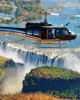
Sightseeing Nature tour in Victoria Falls - Victoria Falls : Helicopter Flight of Angels - Scenic Tour
Experience & Explore the Victoria Falls from the sky with the flight of Angels. The outstanding beauty of the full stretch Water Fall is captured
Quick tours search
Tour Categories
- Any tour category
- Adventure tour
- Arts and Crafts tour
- Boating and Sailing tour
- Children's tour
- Culture and History tour
- Diving tour
- Eco and Wildlife tour
- Excursion
- Expedition
- Fishing tour
- Gourmet & Cooking tour
- Hiking tour
- Hunting tour
- Jeep tour
- Private tour
- Railway trip
- Safari
- Shopping tour
- Sightseeing Nature tour
- Trekking tour
- Walking tour
- Wine tasting tour
Private Guide in China

Harris
Private Guide in Shanghai
Looking for the best guide to take you through the beautiful city of Shanghai? Harris is just the man you need! Read more
Tour in Kenya
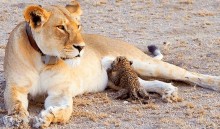
7-Day Explore Wildlife Samburu Great Rift Valley Lakes
Safari in Nairobi
Samburu National Reserve is situated about 350 kms north of Nairobi in the semi arid part of Kenya. Ewaso Nyiro River, bisects the reserve and the river is home to some of the biggest Reptiles in the region and attracts a good number of birds.
Read more