


 French
 Spanish
 Russian
: Tours and Excursion
History & Origins
Carthage was founded by Phoenician settlers from Tyre in the 9th century BCE. The city quickly grew into a major maritime power, establishing colonies and trading networks across the Mediterranean. Carthage's wealth and influence made it a formidable rival to Rome, leading to a series of conflicts known as the Punic Wars.
The most famous of these conflicts was the Second Punic War, during which the Carthaginian general Hannibal famously crossed the Alps with his army to attack Rome. Despite Hannibal's initial successes, Carthage was ultimately defeated by Rome in the Third Punic War, and the city was destroyed in 146 BCE.
After its destruction, Carthage was rebuilt by the Romans and became an important city in the Roman Empire. The city continued to thrive until it was sacked by the Vandals in the 5th century CE. Today, the ruins of Carthage offer a glimpse into the city's storied past and its significance in ancient history.
Architecture & Features
The ruins of Carthage include a variety of structures that reflect the city's diverse history. Among the most notable are the Roman amphitheater, the Antonine Baths, and the Carthage National Museum. These sites provide insight into the architectural styles and engineering techniques of the ancient world.
The Roman amphitheater, built in the 2nd century CE, could seat up to 30,000 spectators and was used for gladiatorial games and other public events. The Antonine Baths, constructed during the reign of Emperor Antoninus Pius, were among the largest public baths in the Roman Empire and featured intricate mosaics and marble decorations.
The Carthage National Museum houses a collection of artifacts from the city's Phoenician, Roman, and Byzantine periods, including pottery, jewelry, and sculptures. The museum's exhibits provide a comprehensive overview of Carthage's history and cultural heritage.
Legends & Facts
One of the most enduring legends associated with Carthage is the story of Queen Dido, the city's mythical founder. According to legend, Dido fled from Tyre after her brother murdered her husband and founded Carthage on the coast of North Africa. The story of Dido has been immortalized in literature, including Virgil's 'Aeneid.'
Another fascinating fact is that Carthage was home to one of the most advanced naval fleets of the ancient world. The Carthaginians were skilled shipbuilders and sailors, and their fleet played a crucial role in their dominance of the Mediterranean.
Carthage is also known for its practice of child sacrifice, a controversial aspect of Carthaginian religion. Archaeological evidence suggests that the Carthaginians sacrificed infants to their gods, a practice that has been the subject of much debate among historians.
Tourist Tips
When visiting Carthage, it is recommended to start at the Carthage National Museum to gain an understanding of the city's history before exploring the ruins. The museum's exhibits provide valuable context for the archaeological sites.
Be sure to wear comfortable shoes and bring plenty of water, as the ruins are spread out over a large area and can involve a lot of walking. Guided tours are available for those who want a more in-depth experience, but the sites can also be explored independently.
Nearby
- Byrsa: A historic hill in Carthage with archaeological sites and stunning views.
- Port of La Goulette: A major seaport with a rich history and vibrant atmosphere.
- La Goulette Beach: A popular spot for swimming and sunbathing.
- Tunis Medina: A UNESCO World Heritage site with narrow streets and traditional markets.
- Sidi Bou Said: A picturesque village known for its blue and white architecture.
Practical FAQ for Travelers
What are the opening hours of Carthage?
The ruins of Carthage are open daily from 8:30 AM to 5:30 PM.
Is there an entrance fee?
Yes, there is an entrance fee of 10 Tunisian dinars for adults and 5 Tunisian dinars for children.
What is the best time to visit?
The best time to visit is during the spring or fall when the weather is mild and the sites are less crowded.
Are there guided tours available?
Yes, guided tours are available and can be arranged at the Carthage National Museum.
Is Carthage accessible for people with disabilities?
Some areas of Carthage are accessible, but the uneven terrain and ancient ruins may pose challenges for visitors with mobility issues.
Can I bring my pet to Carthage?
Pets are not allowed in the archaeological sites of Carthage.
Carthage: Private tours and Excursions.
-

Culture and History tour in Tunis - ancient carthaginian and roman Tunisia
Explore Tunisia’s Most Spectacular Ancient Sites – 8-Day Private Tour Enjoy a captivating journey through time across Tunisia’s mos -

Culture and History tour in Bulla Regia - Hidden treasures Of Tunisia
Ideal itinerary led by professionals Tourguide and driver to explore best hidden treasures of Tunisia . We explore most famous Roman attractions and -
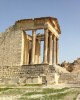
Culture and History tour in Dougga - splendours Of Tunisia
Touring Tunisia with a professional tour guide providing an AC/ New transportation and professional driver is the basic of a succesful travel ex -

Culture and History tour in Tunis - The best of Tunis
Discover Tunis and Carthage with Your Private Guide Enjoy the most spectacular sites in Tunis and Carthage with your private guide. Together, we will -

Culture and History tour in Tunis - The best of Tunisia
Day 1: Tunis - Bardo museum - Carthage- Sidi Bousaid First,visit the Bardo Museum. Then, you will be taken to Carthage to admire the -

Culture and History tour in Tunis - The best of Tunisia and Algeria
In this Tunisia and Algeria tour you will enjoy the best historic and cultural sites from Algeria and Tunisia. All of the best highlights
Quick tours search
Tour Categories
- Any tour category
- Adventure tour
- Arts and Crafts tour
- Boating and Sailing tour
- Children's tour
- Culture and History tour
- Diving tour
- Eco and Wildlife tour
- Excursion
- Expedition
- Fishing tour
- Gourmet & Cooking tour
- Hiking tour
- Hunting tour
- Jeep tour
- Private tour
- Railway trip
- Safari
- Shopping tour
- Sightseeing Nature tour
- Trekking tour
- Walking tour
- Wine tasting tour
Private Guide in Ethiopia

Yonas
Private Guide in Addis Ababa
I taught for seven years in different parts of the country. Then I decided to go to school to study tourism. There, I got what my real soul is and for what purpose am created for! Read more
Tour in Kenya

7-Day Explore Wildlife Samburu Great Rift Valley Lakes
Safari in Nairobi
Samburu National Reserve is situated about 350 kms north of Nairobi in the semi arid part of Kenya. Ewaso Nyiro River, bisects the reserve and the river is home to some of the biggest Reptiles in the region and attracts a good number of birds.
Read more