


 French
 Spanish
 Russian
Morocco : Tours and Excursion
Attention!!! There are tours with discounts.
Dades Valley
The Dades Valley, also known as the Valley of a Thousand Kasbahs, is a stunning geological formation in the High Atlas Mountains of Morocco. The valley is famous for its dramatic rock formations, lush oases, and traditional Berber villages. It is a popular destination for nature lovers and adventure seekers.
History & Origins
The Dades Valley has been inhabited for centuries by the Berber people, who built numerous kasbahs (fortified villages) along the valley. These kasbahs served as defensive structures and trading posts along the ancient caravan routes. The valley's strategic location made it a key area for trade between the Sahara and the cities of northern Morocco.
The valley's unique geology was formed by the erosion of the Dades River, which carved deep gorges and created the distinctive rock formations known as 'monkey fingers'. The river also supports the valley's agriculture, with terraced fields producing olives, almonds, and roses.
In recent years, the valley has become a popular tourist destination, known for its scenic beauty and cultural heritage. The Berber communities continue to maintain their traditional way of life, offering visitors a glimpse into Morocco's rural culture.
Architecture & Features
The valley is dotted with kasbahs, many of which are built from rammed earth and decorated with intricate geometric patterns. These structures are designed to blend with the natural landscape and provide protection from the harsh climate. Some of the most famous kasbahs include Kasbah Ait Ben Haddou and Kasbah Amridil.
The valley's geology is its most striking feature, with towering cliffs and bizarre rock formations. The 'monkey fingers' are particularly notable, resembling the fingers of a giant hand reaching into the sky. The Dades Gorges, a series of narrow canyons, are another highlight.
Legends & Facts
One of the most enduring legends of the Dades Valley is the story of the 'monkey fingers'. According to local folklore, the formations were created by a giant who was turned to stone by the gods as punishment for his arrogance.
Another interesting fact is the valley's role in the rose industry. The Dades Valley is one of Morocco's main producers of rose water, which is used in perfumes and cosmetics. The annual Rose Festival in the nearby town of Kelaa M'Gouna celebrates this tradition.
The valley is also known for its biodiversity, with a variety of plant and animal species adapted to the arid environment. Birdwatchers can spot species like the Bonelli's eagle and the blue rock thrush.
Tourist Tips
The best way to explore the Dades Valley is by car or on foot. The scenic Route des Gorges offers breathtaking views, while hiking trails lead to remote villages and viewpoints. Spring and autumn are the best times to visit, when the temperatures are mild and the landscape is at its most vibrant.
Nearby
- Todgha Gorge - A stunning canyon with vertical cliffs up to 300 meters high.
- Kasbah Ait Ben Haddou - A UNESCO World Heritage Site and famous filming location.
- Skoura Oasis - A peaceful oasis with palm groves and historic kasbahs.
- Atlas Film Studios - The largest film studio in Africa, located near Ouarzazate.
- Rose Valley - The heart of Morocco's rose industry, known for its fragrant fields.
Practical FAQ for Travelers
What are the opening hours?
The valley is accessible 24 hours, but daylight is recommended for exploration.
What is the best time to visit?
Spring (March-May) and autumn (September-November) offer the most pleasant weather.
How much time should I allocate for the visit?
A full day is ideal to explore the valley and its highlights.
Is photography allowed?
Yes, photography is allowed and encouraged.
Is the site accessible for people with mobility issues?
Some areas are accessible, but the terrain can be challenging in places.
Are there any dress code requirements?
Modest clothing is recommended, especially when visiting villages.
Dades Valley: Private tours and Excursions. Hurry up and book a tour with a discount.
-
Special Offer!
Private tour in Marrakech - Marrakech Private Desert Tours
MARRAKECH – OUARZAZATE - SKOURA –TODRA GORGES – DADES VALLEY – MERZOUGA – DRAA VALLEY – AGDZ – AIT BENHADDOU -
Special Offer!
Private tour in Marrakech - Merzouga Luxury desert Tours
MERZOUGA LUXURY DESERT TOURS 3 Days / 2 Nights Marrakech → Merzouga Day 1: Departure from Marrakech, cross the High Atlas via Tizi n&rsqu
Quick tours search
Tour Categories
- Any tour category in Morocco
- Adventure tour in Morocco
- Arts and Crafts tour in Morocco
- Culture and History tour in Morocco
- Excursion in Morocco
- Expedition in Morocco
- Gourmet & Cooking tour in Morocco
- Hiking tour in Morocco
- Jeep tour in Morocco
- Private tour in Morocco
- Safari in Morocco
- Shopping tour in Morocco
- Sightseeing Nature tour in Morocco
- Walking tour in Morocco
Private Guide in Morocco

Mustapha
Private Guide in Marrakech
My name is Mustapha. I am your guide and will support you during the tour. I promise you are going to enjoy your stay here in Morocco. This is a beautiful, quiet country where ... Read more
Tour in Kenya
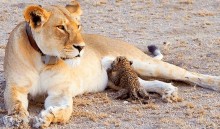
7-Day Explore Wildlife Samburu Great Rift Valley Lakes
Safari in Nairobi
Samburu National Reserve is situated about 350 kms north of Nairobi in the semi arid part of Kenya. Ewaso Nyiro River, bisects the reserve and the river is home to some of the biggest Reptiles in the region and attracts a good number of birds.
Read more