


 French
 Spanish
 Russian
: Tours and Excursion
Attention!!! There are tours with discounts.
Empakaai Crater
Empakaai Crater is a volcanic caldera located in the Ngorongoro Highlands of Tanzania. The crater is known for its stunning alkaline lake, which covers much of the crater floor and attracts a variety of birdlife.
History & Origins
The crater was formed by volcanic activity thousands of years ago and is part of the East African Rift system. The lake within the crater is fed by rainwater and underground springs, creating a unique ecosystem.
The area has been inhabited by the Maasai people for centuries, who use the surrounding highlands for grazing their livestock.
Architecture & Features
The crater is approximately 6 kilometers in diameter, with steep walls rising up to 300 meters. The lake is known for its striking blue-green color, caused by dissolved minerals.
The surrounding forest is home to a variety of wildlife, including elephants, buffalo, and numerous bird species.
Legends & Facts
The Maasai believe the crater is a sacred place, and it is often used for rituals and ceremonies.
The lake's high alkalinity makes it inhospitable for most fish, but it supports a unique population of algae and invertebrates.
Tourist Tips
The hike down to the crater floor is steep but rewarding, offering spectacular views of the lake. Visitors should bring plenty of water and wear sturdy shoes.
Nearby
- Ngorongoro Crater: A UNESCO World Heritage Site known for its wildlife.
- Olduvai Gorge: A significant archaeological site with early human fossils.
- Lake Manyara: A scenic lake with diverse birdlife.
- Mount Kilimanjaro: Africa's highest peak, offering challenging climbs.
- Tarangire National Park: Known for its large elephant herds.
Practical FAQ for Travelers
What is the best time to visit?
The dry season from June to October is ideal for hiking and wildlife viewing.
Are there any entry fees?
Access to the crater may require a permit, depending on the route taken.
Is the area accessible for children?
The hike is steep and may not be suitable for very young children.
What should I wear?
Sturdy hiking boots and light, breathable clothing are recommended.
Can I take photos?
Yes, photography is allowed, but respect local customs and sacred sites.
Empakaai Crater: Private tours and Excursions. Hurry up and book a tour with a discount.
-
Special Offer!
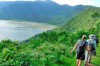
Walking tour in Arusha - Walking safari tour via Empakai crater to Lake Natron 2026 prices
Trekking tour from Empakai Ngorongoro to Lake Natron via Oldonyo Lengai is an exclusive off-the-beaten-path expedition. Also, this is an affordable Ta
Quick tours search
Tour Categories
- Any tour category
- Adventure tour
- Arts and Crafts tour
- Boating and Sailing tour
- Children's tour
- Culture and History tour
- Diving tour
- Eco and Wildlife tour
- Excursion
- Expedition
- Fishing tour
- Gourmet & Cooking tour
- Hiking tour
- Hunting tour
- Jeep tour
- Private tour
- Railway trip
- Safari
- Shopping tour
- Sightseeing Nature tour
- Trekking tour
- Walking tour
- Wine tasting tour
Private Guide in China

Harris
Private Guide in Shanghai
Looking for the best guide to take you through the beautiful city of Shanghai? Harris is just the man you need! Read more
Tour in Kenya
14-Day Discover Masai Mara Amboseli Serengeti Ngorongoro crater Zanzibar Beach Safari
Safari in Nairobi
Lake Nakuru is famous for its millions of flamigoes and migrant birds from over the world; in Nakuru we have upto 425 different bird species. You will leave back to the hotel before dark for your dinner and overnight at you lodge Read more