


 French
 Spanish
 Russian
China : Tours and Excursion
Jomolungma, known as Mount Everest in English and Chomolungma in Tibetan, is Earth's highest mountain above sea level, located on the border between Nepal and the Tibet Autonomous Region of China. The northern approach to the summit is from the Tibetan side, which offers a more technical but less crowded climbing route compared to the Nepalese side.
History & Origins
The Tibetan name Chomolungma means 'Goddess Mother of the World' and has been used by local Sherpas and Tibetans for centuries. British surveyors first recorded the mountain's height in 1856 during the Great Trigonometrical Survey of India, naming it after Sir George Everest, the surveyor general of India at the time.
The first attempts to climb Everest from the Tibetan side began in the 1920s by British expeditions. The northern route was the focus of early climbing attempts until political changes in Tibet led to its closure to foreign climbers in 1950. The first successful ascent via the North Col route was made by a Chinese expedition in 1960.
In recent years, the Tibetan side has seen increased climbing activity, particularly for those seeking a less commercialized experience than the Nepalese route. The Chinese government controls access through the Tibet Mountaineering Association.
Architecture & Features
Jomolungma's north face rises dramatically from the Tibetan Plateau, featuring some of the most challenging technical climbing sections on the mountain. The North Col route includes the famous 'Second Step', a near-vertical rock face at about 8,600 meters that now has a permanent ladder installed by Chinese authorities.
The Rongbuk Glacier, one of the world's highest glaciers, flows from Everest's north face and serves as the approach to advanced base camp on the Tibetan side. The glacier has been retreating significantly in recent decades due to climate change.
Legends & Facts
Tibetan Buddhists consider Jomolungma sacred, believing it to be the abode of the goddess Miyolangsangma. Pilgrims have long circumambulated the mountain as part of their spiritual practice.
In 1975, a Chinese team installed the 'Second Step' ladder on the North Ridge, making this technically difficult section more accessible to climbers. This remains controversial among purists.
The first winter ascent of Everest was achieved via the Tibetan side in 1980 by a Polish expedition led by Andrzej Zawada.
Tourist Tips
For visitors not attempting to summit, the best views of Everest's north face can be had from Rongbuk Monastery, the highest monastery in the world at 5,009 meters. The drive from Tingri to Everest Base Camp offers spectacular vistas of the Himalayan range.
Hiring a private guide is essential for navigating the complex permit requirements and logistics of visiting the Tibetan side of Everest. A private guide can also provide valuable cultural context and ensure proper acclimatization to the high altitude.
Practical FAQ for Travelers
How do I get permits for the Tibetan side of Everest?
All visitors to Tibet require special permits arranged through registered tour operators. Climbing permits are handled by the Tibet Mountaineering Association.
What's the best viewpoint on the Tibetan side?
Rongbuk Monastery offers the closest accessible views of Everest's north face without requiring mountaineering equipment.
Why choose a private guide for the Tibetan Everest experience?
A private guide handles all permits and logistics, provides expert knowledge of local customs, and ensures a smoother travel experience in this remote region.
Is altitude sickness a concern?
Yes, the Tibetan approach involves driving to higher elevations faster than trekking in Nepal, making proper acclimatization crucial.
When is the best time to visit?
May and September offer the clearest views, though temperatures can drop below freezing even in summer.
Nearby
- Rongbuk Monastery - The world's highest monastery with stunning views of Everest's north face.
- Shigatse - Tibet's second-largest city, home to the impressive Tashilhunpo Monastery.
- Mount Cho Oyu - The sixth highest mountain in the world, visible from the Everest region.
- Old Tingri - A traditional Tibetan village with excellent mountain views.
- Yamdrok Lake - One of Tibet's three sacred lakes, known for its turquoise waters.
Mount Everest: Articles
-
Points to Ponder for Travelers
There are people who travel just as a means to get from one place to another. For others, any journey is an experience to cherish and a chance for an unforgetta
Quick tours search
Tour Categories
- Any tour category in China
- Adventure tour in China
- Arts and Crafts tour in China
- Boating and Sailing tour in China
- Children's tour in China
- Culture and History tour in China
- Excursion in China
- Gourmet & Cooking tour in China
- Private tour in China
- Railway trip in China
- Shopping tour in China
- Sightseeing Nature tour in China
- Walking tour in China
Private Guide in China

Harris
Private Guide in Shanghai
Looking for the best guide to take you through the beautiful city of Shanghai? Harris is just the man you need! Read more
Tour in India
Private tour in Jaipur
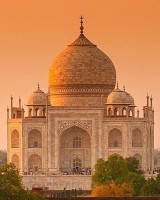
Morning visit the world famous beautiful Taj Mahal built by the Moghul Emperor Shahjehan in 1630 for his beloved Queen Mumtaz Mahal to enshrine her mortal remains. Taj Mahal was built in 20 years and over 20,000 worker had worked in constructing it. Read more