


 French
 Spanish
 Russian
Fulani village Fulani village Fulani village : Tours and Excursion
Fulani village
The Fulani village is a traditional settlement of the Fulani people, an ethnic group known for their nomadic pastoral lifestyle. The village offers a glimpse into the traditional way of life, with huts made from natural materials and a strong cultural heritage.
History & Origins
The Fulani people have a long history in West Africa, with many communities maintaining their traditional lifestyles. The village is a living example of their cultural practices, including cattle herding and craftsmanship.
Architecture & Features
The village features traditional huts made from mud and thatch, designed to be portable for their nomadic lifestyle. The layout of the village is often circular, with a central area for communal activities.
Legends & Facts
The Fulani are known for their intricate jewelry and clothing, often made from beads and leather. They are also renowned for their music and storytelling traditions.
Tourist Tips
Visitors should respect the local customs and ask for permission before taking photographs. The best time to visit is during the dry season when the weather is more comfortable.
Nearby
- Banfora: A nearby town with markets and cultural sites.
- Hippopotamus Pool: A natural attraction home to hippos.
- Karfiguela Waterfalls: Beautiful waterfalls in a scenic setting.
- Domes de Fabedougou: Unique rock formations.
- Lake Tengrela: A serene lake known for its wildlife.
Practical FAQ for Travelers
What is the best time to visit the Fulani village?
During the dry season (November to March) when the weather is cooler.
Are there any ticket fees?
No, but donations to the community are appreciated.
How long should I plan to spend here?
About 1-2 hours to explore and learn about the culture.
Is the site accessible for children?
Yes, but children should be supervised.
Are pets allowed?
No, pets are not allowed in the village.
Fulani village: Private tours and Excursions.
-

Adventure tour in Ouagadougou - Burkina Faso - Mali - Senegal
Day 1: Ouagadougou. P.M.: Upon arrival at Ouagadougou airport, you will be met, assisted and transferred to your hotel. Overnight at Hotel. Day 2: Oua
Quick tours search
Tour Categories
- Any tour category
- Adventure tour
- Arts and Crafts tour
- Boating and Sailing tour
- Children's tour
- Culture and History tour
- Diving tour
- Eco and Wildlife tour
- Excursion
- Expedition
- Fishing tour
- Gourmet & Cooking tour
- Hiking tour
- Hunting tour
- Jeep tour
- Private tour
- Railway trip
- Safari
- Shopping tour
- Sightseeing Nature tour
- Trekking tour
- Walking tour
- Wine tasting tour
Private Guide in Ethiopia

Yonas
Private Guide in Addis Ababa
I taught for seven years in different parts of the country. Then I decided to go to school to study tourism. There, I got what my real soul is and for what purpose am created for! Read more
Tour in India
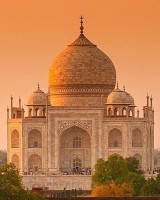
Private tour in Jaipur
Morning visit the world famous beautiful Taj Mahal built by the Moghul Emperor Shahjehan in 1630 for his beloved Queen Mumtaz Mahal to enshrine her mortal remains. Taj Mahal was built in 20 years and over 20,000 worker had worked in constructing it. Read more