


 French
 Spanish
 Russian
Greece : Tours and Excursion
Attention!!! There are tours with discounts.
History & Origins
The monastery was established in 1350 by the monk Varlaam, who climbed the rock and built the first structures. It was later expanded by the brothers Theophanes and Nektarios Apsarades in the 16th century.
The monastery played a significant role in the religious and cultural life of the region during the Byzantine era.
It has survived numerous invasions and natural disasters, standing as a testament to the resilience of its builders.
Architecture & Features
The monastery is built in the traditional Byzantine style, with a central church surrounded by living quarters and storage rooms.
The frescoes inside the church are some of the finest examples of Byzantine art, depicting scenes from the Bible and the lives of saints.
Legends & Facts
Legend has it that the monk Varlaam climbed the rock using a rope ladder, which was later replaced by a wooden staircase.
The monastery houses a collection of rare manuscripts and religious artifacts, some of which date back to the 14th century.
It is said that the monastery was once home to a miraculous icon of the Virgin Mary, which was lost during an invasion.
Tourist Tips
Visitors should wear comfortable shoes as the climb to the monastery involves a steep staircase.
The best time to visit is early in the morning or late in the afternoon to avoid the crowds.
Nearby
- Great Meteoron Monastery: The largest and oldest monastery in Meteora.
- Roussanou Monastery: Known for its stunning views and beautiful frescoes.
- Agios Nikolaos Anapafsas Monastery: A smaller monastery with a rich history.
- Agia Triada Monastery: Famous for its isolation and serene atmosphere.
- Kastraki Village: A charming village at the foot of the Meteora rocks.
Practical FAQ for Travelers
What are the opening hours?
The monastery is open from 9:00 AM to 4:00 PM daily, except on Tuesdays.
Is there an entrance fee?
Yes, the entrance fee is 3 Euro per person.
What is the best time to visit?
Early morning or late afternoon to avoid the crowds.
Is photography allowed?
Yes, photography is allowed, but flash photography is prohibited inside the church.
Is the monastery accessible for children and elderly?
The climb is steep and may be challenging for young children and elderly visitors.
Holy Monastery of Varlaam: Private tours and Excursions. Hurry up and book a tour with a discount.
-
Special Offer!
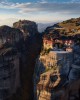
Private tour in Athens - Full Day Tour to Meteora and Vergina(Ancient Macedonia)
**That tour start from Athens** **Final prices are per Group not per person* Shore excursion / Day trip / Full Day to Meteora and the museum of ro
Quick tours search
Tour Categories
Private Guide in Greece
Angelo
Private Guide in Katerini
I can make your hiking, beach bar hopping and educational experience one of a kind! You will learn everything you ever wondered about this beautiful country. Read more